
Old New Year Traditions: What Is Traditionally Avoided on This Day
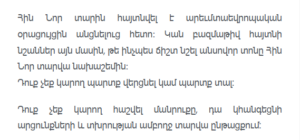
The Old New Year appeared after the transition from the Julian calendar to the Western European (Gregorian) calendar. Over time, this unusual holiday became surrounded by numerous folk traditions and beliefs, especially regarding what should or should not be done on its eve.
According to traditional customs, the Old New Year is meant to be welcomed calmly and positively, as actions on this day are symbolically believed to influence the year ahead.
Popular Traditions and Beliefs
It is traditionally advised not to borrow or lend money, as this is believed to symbolically lead to financial difficulties throughout the year.
Counting small change is discouraged, as folk belief associates it with sadness or tears in the coming months.
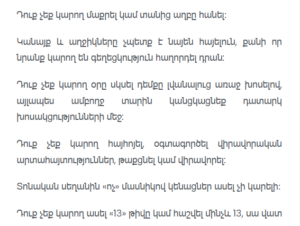
Cleaning the house or taking out the trash is avoided, as it is symbolically linked to “throwing away” good fortune.
According to tradition, women and girls should avoid looking into mirrors, as it was believed that beauty or luck could be “given away.”
It is said that one should not speak before washing their face in the morning, otherwise the year may be filled with empty or meaningless conversations.
Arguments, offensive language, and insults are strictly avoided, as the holiday is meant to begin with harmony and goodwill.
At the festive table, toasts containing the word “no” are traditionally avoided in favor of positive wishes.
Saying or counting the number 13 is considered unlucky according to old folk beliefs.
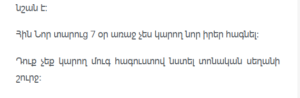
Wearing new clothes is traditionally avoided during the seven days leading up to the Old New Year.
Sitting at the festive table in dark-colored clothing is also discouraged, as brighter colors symbolize joy and prosperity.
A Cultural Perspective
These customs are part of traditional folklore rather than rules to be strictly followed. Today, many people observe them simply as a cultural curiosity or a way to add symbolism and tradition to the celebration.
The Old New Year remains a reminder of how calendars, history, and tradition can intertwine, preserving customs that continue to be shared across generations.