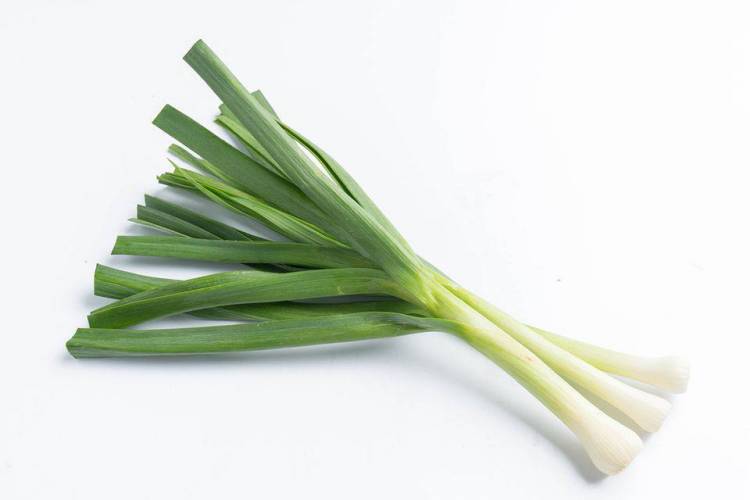

Green (young) garlic has long been valued in traditional diets for its fresh taste and nutritional profile. Modern nutrition research recognizes it as a source of various vitamins, minerals, and plant compounds that can support overall well-being when included as part of a balanced diet.
Green garlic contains vitamins A, B1, B2, PP (niacin), C, E, and K, as well as minerals such as potassium, calcium, magnesium, sodium, sulfur, selenium, manganese, copper, phosphorus, and iron. It also contains phytoncides and sulfur-containing compounds commonly found in garlic.
One of the most studied compounds in garlic is allicin, which forms when garlic is crushed or chopped. Allicin and related sulfur compounds are widely researched for their antimicrobial properties in laboratory settings. Green garlic is often noted to have a relatively high content of these bioactive compounds compared to mature garlic, although the exact levels can vary depending on growing conditions and freshness.
The overall nutrient composition of green garlic may contribute to normal metabolic processes and antioxidant defenses as part of a varied diet rich in vegetables. Some studies have explored potential links between garlic consumption and cardiovascular, immune, and metabolic health, but these effects depend on many factors, including overall diet and lifestyle.
While garlic and green garlic can be a nutritious addition to meals, they are not a medical treatment for thyroid conditions or other diseases. Individuals with specific health concerns, digestive sensitivities, or those taking medication should consult a healthcare professional before making significant dietary changes.
This content is for general informational purposes only and does not replace professional medical advice, diagnosis, or treatment.