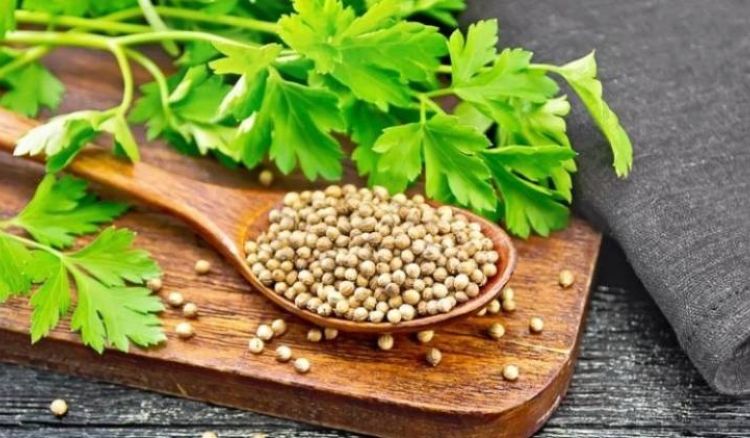





People who enjoy the taste and aroma of coriander often use it in salads and meals without realizing that this herb also has notable medicinal properties, thanks to its essential oils and fatty acids. The seeds of coriander are considered especially beneficial and are known for their choleretic, anti-inflammatory, analgesic, wound-healing, and digestive-supporting effects.
Coriander seeds are traditionally used in supportive care for liver and gallbladder conditions, bile duct disorders, hemorrhoids, wound healing, nervous tension, and stress-related symptoms.
Key health benefits of coriander include:
Antimicrobial properties: The essential oils and active compounds, including dodecenal, help combat Salmonella, intestinal infections, and urinary tract infections.
Rich in antioxidants: Compounds such as tocopherols, quercetin, and terpinene support immune function, help slow cellular aging, suppress abnormal cell growth, and protect the skin from ultraviolet radiation and dermatitis.
Heart health support: Coriander seeds may help maintain cardiovascular health by contributing to lower blood pressure and reduced levels of “bad” LDL cholesterol.
Digestive support: Helps stimulate appetite and supports healthy gastrointestinal function.
Neuroprotective potential: May help protect brain cells, reducing the risk of neurodegenerative conditions such as Parkinson’s and Alzheimer’s disease.
Stress and fatigue relief: Supports recovery from fatigue, calms the nervous system, and helps reduce irritability and anxiety.
Blood sugar regulation: Coriander activates enzymes that help lower blood glucose levels, which may be beneficial in diabetes prevention strategies.
Coriander is widely included in formulations for wound-healing ointments, as well as choleretic and digestive herbal blends.
Modern scientific studies increasingly support the traditional uses of coriander, providing evidence-based validation for its long-standing role in herbal medicine.