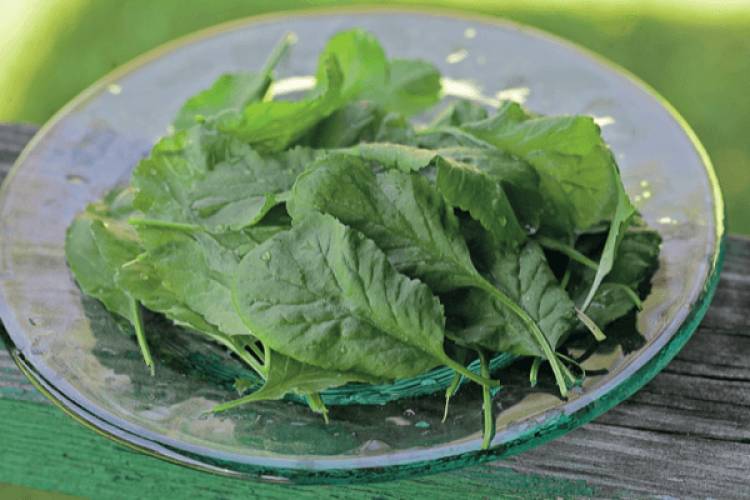


Watercress is considered one of the most nutrient-dense leafy greens, rich in essential vitamins and minerals such as iron and vitamin C. It is often highlighted for its potential to support overall health when included as part of a balanced diet.
This green vegetable provides a high concentration of antioxidants, which help protect the body from oxidative stress. It may also support normal blood circulation, contribute to cellular health, and promote a healthy appetite.
Among its commonly noted benefits, watercress may help:
Support the body’s natural defense against oxidative stress
Provide antioxidant protection
Contribute to normal blood function
Support healthy cell maintenance
Promote appetite and digestion
Assist the body’s natural detoxification processes
Many nutrition experts recommend consuming watercress in juice form, but not undiluted. Pure juice may be too strong for the throat and stomach, so it is advised to dilute it with water at a ratio of 1:5 (juice to water). It is also recommended not to consume it daily, but rather every other day.
Watercress juice may also be used topically in certain cases, such as for general skin care or maintaining scalp health. Applying diluted juice or compresses made from crushed leaves is sometimes used in traditional practices.
Some studies suggest that compounds found in watercress may play a role in supporting overall health, including cardiovascular function. However, such findings are still being researched, and watercress should not be considered a substitute for medical treatment.
Including watercress in a varied and balanced diet may contribute to a healthier lifestyle, especially when combined with other nutrient-rich foods.