Palm Sunday is an important Christian holiday observed during Lent, which means it is traditionally marked with modesty rather than celebration.
Food and Fasting Rules
Since the holiday falls within the Great Lent, excessive food and drink are discouraged. Meat and alcohol are generally avoided. However, church tradition allows certain exceptions on this day, including fish dishes, sweets, and pastries.
Behavior and Traditions
Palm Sunday emphasizes spiritual reflection and positive behavior. It is recommended to avoid arguments, negative thoughts, or speaking ill of others. The focus should be on calmness, kindness, and inner peace.
Some traditions suggest postponing important tasks and avoiding household chores. Activities such as sewing, knitting, or heavy physical work are considered undesirable on this day.
Willow Branch Tradition
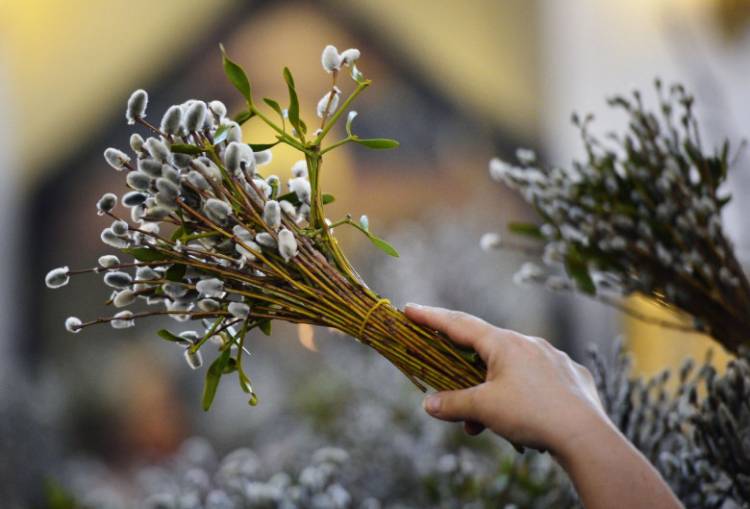
A central custom of Palm Sunday is the blessing of willow branches. Before bringing them to church, people traditionally decorate the branches with colorful threads or handmade ornaments. After being blessed, the branches are placed near icons at home and kept until the following year.
Historically, there was also a custom of lightly tapping family members with willow branches, symbolizing health and protection for the year ahead. In some traditions, even livestock were gently touched with the branches for good fortune.
Folk Beliefs
Various folk beliefs are associated with the day. For example, it is said that planting a houseplant on Palm Sunday may bring prosperity. However, if the plant does not survive, it is considered a negative sign.
Weather on Palm Sunday has also traditionally been seen as an indicator of the coming summer. For instance, if willow buds bloom abundantly before the holiday, it is believed the year will be productive and favorable.
Overall, Palm Sunday is a time for spiritual reflection, simple traditions, and maintaining a peaceful and respectful atmosphere.