
Lilac has been valued in traditional medicine for centuries, not only for its delicate fragrance but also for its potential health-supporting properties. Rich in beneficial compounds, it has been used in various forms—from teas to oils—to support overall well-being. Below is a simple overview of its uses and a traditional method for preparing lilac oil at home.
Lilac contains compounds such as vitamin C, essential oils, and flavonoids, which are believed to have soothing and anti-inflammatory effects. In traditional practices, it has been used to help ease discomfort related to joints, muscles, and seasonal illnesses.
How to Make Lilac Oil at Home
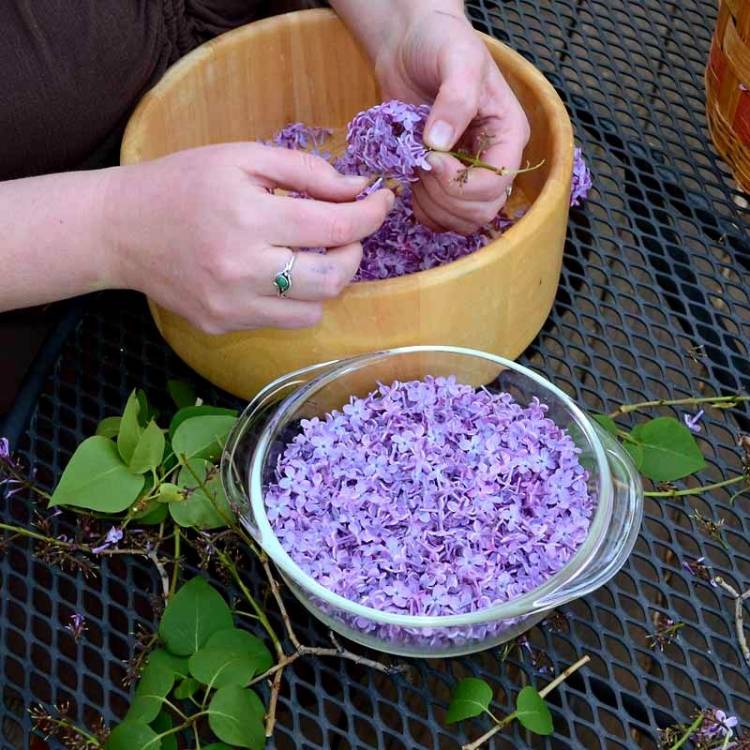
Collect lilac flowers from clean areas, away from roads and industrial zones.
Separate the small flowers from the stems and place them in a clean jar.
Warm vegetable oil to about 40°C and pour it over the flowers until fully covered.
Close the jar and let it infuse for 2 days.
Strain the oil through cloth, pressing the flowers well.
Reheat the oil slightly, add fresh flowers, and let it infuse again.
Repeat the process to achieve a more aromatic and concentrated oil.
Common Uses
Applied externally for massage on sore joints and muscles
Used in small amounts in skincare products for fragrance and texture
Sometimes used in aromatherapy practices for relaxation
Important Note:
The information above is based on traditional use and is not a substitute for medical advice. Lilac preparations should be used with caution, and it is recommended to consult a healthcare professional before use, especially for internal applications.