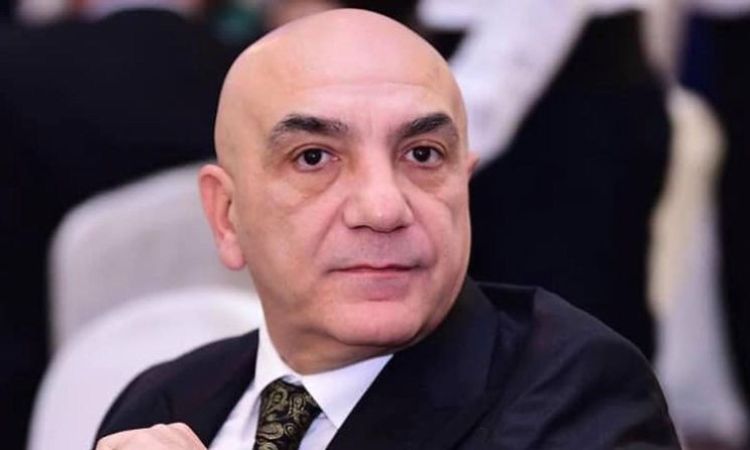
Karen Gevorgyan, an Honored Cultural Figure of Armenia, professor, and artistic director and chief choreographer of the Berd Dance Ensemble, has expressed strong criticism of musical practices at Armenian weddings.
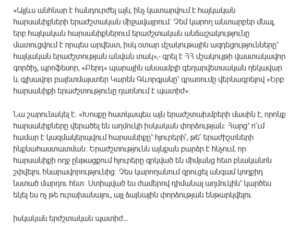
In a social media statement titled “When Wedding Music Becomes a Punishment,” Gevorgyan raised concerns about excessive noise, the artistic quality of live performances and what he considers the inappropriate presentation of foreign musical influences as traditional Armenian music.
He called on musicians, cultural specialists and professional organizations to pay greater attention to the issue.
Excessively Loud Music at Armenian Weddings
One of Gevorgyan’s main concerns is the volume of music performed by certain wedding bands.
According to him, some celebrations have become so loud that guests are unable to communicate comfortably, even with people sitting directly beside them.
He questioned whether wedding entertainment should prioritize the enjoyment of guests or the performers’ desire to attract attention.
Gevorgyan argued that wedding music should contribute to a joyful atmosphere rather than overwhelm those attending the celebration.
In his view, guests should not have to endure hours of excessive noise during what is intended to be a happy family occasion.
Concerns About Musical Quality and Cultural Identity
The cultural figure also criticized what he described as repetitive performances lacking artistic value.
He expressed particular concern about musical arrangements that incorporate elements of Turkish, Azerbaijani, Arabic and other traditions while being presented as Armenian national music.
His criticism focused on what he considers unprofessional imitation and the misrepresentation of Armenian musical heritage, rather than simply the existence of different musical traditions.
Gevorgyan questioned how combinations of foreign melodies and rhythms could be introduced to audiences under the label of traditional Armenian music without sufficient attention to authenticity and artistic standards.
He also raised broader questions about professional responsibility and the relationship between creative freedom and cultural preservation.
Weddings Should Remain Family Celebrations
According to Gevorgyan, weddings are fundamentally family occasions, and music should support their festive atmosphere.
He believes performers should maintain an appropriate balance between entertainment, musical quality and consideration for guests.
His comments highlight two distinct concerns: the practical problem of excessive sound levels and the cultural debate surrounding the interpretation of Armenian musical traditions.
While musical preferences vary among audiences, Gevorgyan argues that professional performers have a responsibility to consider both the expectations of guests and the cultural context of the celebration.
A Call for Cultural Professionals to Address the Issue
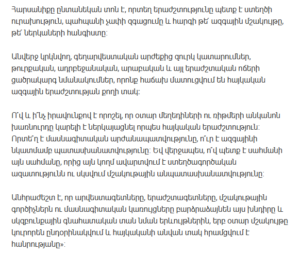
Gevorgyan urged artists, musicologists, cultural figures and professional institutions to engage in a broader discussion about wedding music.
He called for a more principled professional assessment of performances that, in his opinion, rely heavily on imitation while presenting themselves as examples of Armenian national culture.
His statement raises questions about how traditional music should be preserved, how contemporary arrangements can be evaluated and what standards should guide professional wedding entertainment.
The debate also touches on the distinction between cultural exchange, which has long influenced musical traditions, and the inaccurate presentation of particular compositions as authentic national heritage.
Gevorgyan’s central message is that Armenian weddings should offer guests an enjoyable musical experience while maintaining respect for the country’s cultural traditions and the comfort of everyone attending.