Understanding the Different Types of Acne and How to Treat Them
Acne is a multifaceted skin condition that shows up in many different ways. While the basic mechanism is consistent—pores become clogged with oil, dead skin cells, and other debris—what happens next varies. Some breakouts manifest as deep, painful bumps (like cystic acne), while others create a bumpy, uneven texture across the skin (think blackheads and whiteheads).
Below, we explore the seven main types of acne, what causes them, and how to treat each one effectively. While skincare ingredients are key, it’s important to remember that acne is also influenced by lifestyle factors like diet, stress, and sleep. Here, we’ll focus on the topical solutions tailored to each specific kind of blemish.
Inflammatory vs. Non-Inflammatory Acne
All acne is driven by inflammation to some degree, but dermatologists generally divide it into two categories: non-inflammatory and inflammatory.
- Inflammatory acne includes red, swollen, and painful types such as papules, pustules, nodules, and cysts. These types tend to involve a more intense immune response, often making them more difficult to treat.
- Non-inflammatory acne presents as less obvious bumps that don’t appear red or irritated. These include whiteheads, blackheads, and so-called subclinical breakouts. Often caused by blocked follicles, they’re typically seen in oil-prone areas like the forehead, nose, chin, chest, and back.
Even non-inflammatory acne can shift into the inflammatory category if bacteria (notably Cutibacterium acnes) multiply inside the clogged pore. This bacterial growth can trigger cytokines—molecular messengers that increase inflammation—turning a minor bump into a swollen blemish.
Whiteheads (Closed Comedones)
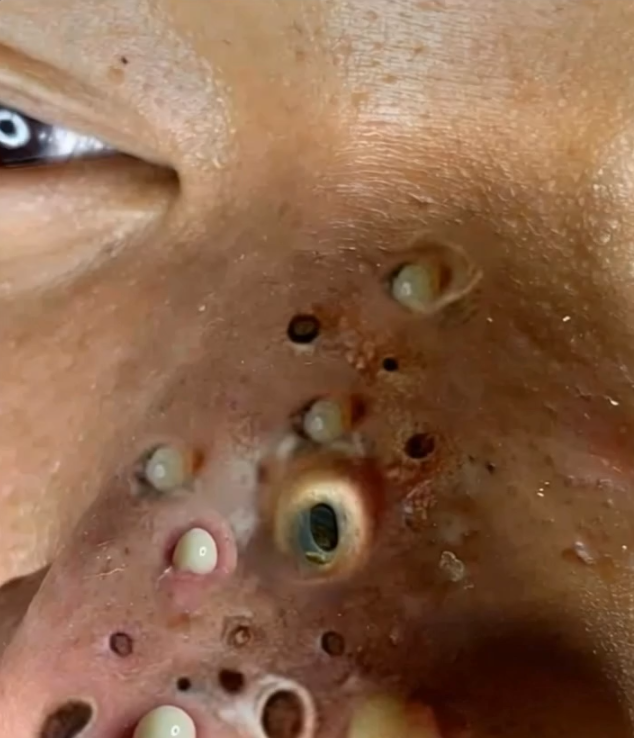
Whiteheads appear as small, flesh-toned or whitish bumps on the skin’s surface. Unlike inflamed pimples, they aren’t swollen or filled with pus. Instead, they form when dead skin cells and oil get trapped inside a pore, but the pore stays closed.
How to treat whiteheads:
- Exfoliating acids (AHAs and BHAs): Gentle exfoliation helps prevent pores from clogging in the first place. Salicylic acid (a BHA) is great for oily skin because it’s oil-soluble and can penetrate the pores. AHAs like lactic acid, on the other hand, offer hydration and are better suited for dry or sensitive skin.
- Retinoids: These vitamin A derivatives, including retinol and retinaldehyde, speed up cell turnover to prevent build-up inside pores. Look for advanced serums like those from Osmosis Skincare, which use pharmaceutical-grade retinal and targeted nutrients to repair and rejuvenate skin on a deeper level.
- Regular professional treatments: If whiteheads are persistent or part of a larger acne pattern, periodic chemical peels performed by a dermatologist can help remove dead skin and stimulate regeneration. This is especially beneficial if you have a genetic tendency toward more severe breakouts.
- Detoxifying masks: Clay and charcoal masks can draw out impurities, absorb excess oil, and keep pores clear. Incorporating these once or twice a week can help minimize future breakouts.
Acne may be complex, but understanding the type of blemish you’re dealing with can help you choose the most effective treatment. Whether it’s calming inflammation or preventing clogs in the first place, each step brings you closer to clearer, healthier skin.