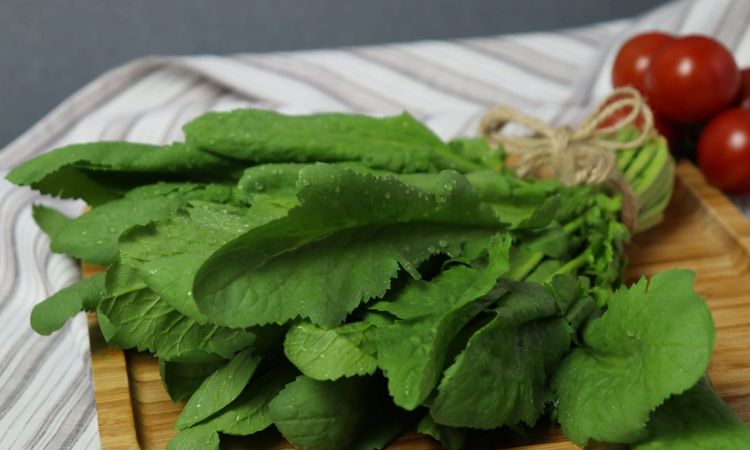




Watercress is widely regarded as one of the most nutrient-dense leafy vegetables due to its high content of iron and vitamin C. Nutritional comparisons suggest that it contains more iron than spinach and more vitamin C than citrus fruits such as lemons and oranges.
Because of its composition, watercress is often discussed in nutrition-focused literature for its potential role in supporting overall well-being. Among the commonly mentioned properties are its antioxidant content and its contribution to balanced nutrition.
Commonly Noted Nutritional Properties
According to nutrition experts and dietary studies, watercress may support the body in several ways when included as part of a balanced diet:
Contributes to antioxidant intake
Supports normal metabolic processes
Plays a role in maintaining healthy appetite
Contains compounds associated with cellular support
May assist the body’s natural detoxification processes
Many dietitians recommend consuming watercress in fresh juice form, but not undiluted. Pure watercress juice may irritate the throat or stomach, which is why it is commonly advised to dilute it with water at a ratio of approximately 1:5 (juice to water). It is also generally suggested not to consume such juice daily, but rather every other day.
External and Dietary Use
In traditional and cosmetic practices, diluted watercress juice or crushed leaves have been used topically for skin and scalp care. Such uses are based on traditional experience rather than medical treatment and are typically applied as compresses to specific areas.
Some scientific studies have explored the compounds found in watercress extract and their potential role in supporting cellular health. Other research has examined associations between regular consumption of cruciferous vegetables and a reduced risk of certain chronic conditions. However, these findings do not indicate direct prevention or treatment and require further study.
Watercress is also often recommended in nutrition discussions for individuals seeking to support their body after long-term exposure to environmental stressors, such as smoking, as part of an overall healthy lifestyle.
Important Note
The information above reflects nutritional research and traditional dietary perspectives. Watercress is not a medicine and should not be used as a substitute for professional medical advice or treatment.