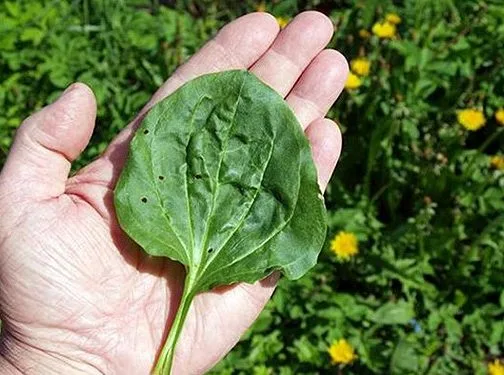





Borage (Ox Tongue): A Traditional Plant Known for Its Soothing Properties
Borage, commonly known as “ox tongue,” has a long history of use in traditional and folk practices. For centuries, it has been valued for its supportive and soothing properties, particularly in relation to overall wellness and comfort.
Historically, borage has been used in traditional remedies associated with respiratory comfort, digestive balance, and skin care. In folk medicine, different parts of the plant — including leaves and seeds — have been applied externally or prepared as infusions for general supportive purposes.
Why Borage Has Been Traditionally Valued
The plant contains fiber, flavonoids, and other naturally occurring compounds that are often associated with antioxidant and soothing effects. These components have made borage a popular choice in traditional wellness practices.
Borage is commonly described in traditional sources as having:
soothing and softening properties
supportive effects for skin and tissues
mild cleansing and calming characteristics
general comfort-supporting qualities
Traditional Uses in Folk Practices
1. Skin and Wound Care
In traditional use, crushed or softened borage leaves have been applied externally to support skin comfort and promote a soothing effect on minor skin irritations, including insect bites.
2. Digestive Comfort
Borage leaves have traditionally been included in preparations intended to support digestive balance. Folk practices suggest they may help reduce feelings of stomach discomfort and support intestinal well-being.
3. Comfort Support
Due to its traditionally described soothing nature, borage has been used externally in folk remedies aimed at easing local discomfort.
4. Herbal Infusions
In traditional settings, borage leaves have sometimes been prepared as a mild herbal infusion. Such drinks were used to support general well-being and hydration. Honey was often added for taste.
Traditional sources associate regular consumption of mild herbal infusions with:
general comfort support
seasonal wellness
a sense of balance during periods of physical stress
Important Note
The uses described above are based on traditional and historical practices and are provided for informational purposes only. They are not intended to diagnose, treat, cure, or prevent any disease. Individual responses may vary, and the use of herbs should always be discussed with a qualified healthcare professional, especially for people with existing medical conditions or those taking medication.