On Saturday, March 21, 2026, people around the world are expected to feel the peak of a powerful and prolonged geomagnetic storm. Scientists describe it as the strongest event since mid-January this year.
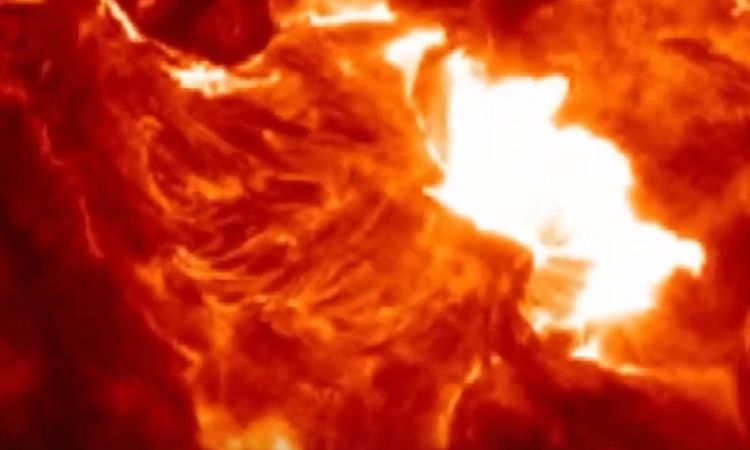
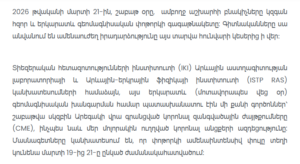
According to forecasts from the Space Research Institute (IKI) and the Institute of Solar-Terrestrial Physics (ISTP RAS), the disturbance—lasting around six days—was caused by several factors. These include coronal mass ejections (CME) recorded on the Sun earlier in the week, as well as the influence of coronal holes directed toward Earth. The most intense phase of the storm is expected between March 19 and 21.
March 21 is predicted to be the day when Earth’s magnetosphere experiences the greatest pressure. Experts forecast geomagnetic activity reaching up to a K-index of 6, corresponding to a “red” alert level (G2–G3 category), indicating a strong magnetic storm. Activity may fluctuate slightly throughout the day but will remain at a high level, potentially causing noticeable discomfort for many people.
Doctors advise that individuals sensitive to weather changes and those with chronic conditions should take extra care during such periods. Possible symptoms include headaches, sudden changes in blood pressure, weakness, irritability, and sleep disturbances.
Specialists recommend reducing physical and emotional stress, avoiding alcohol and caffeine, getting enough rest, and staying well-hydrated by drinking plenty of water.