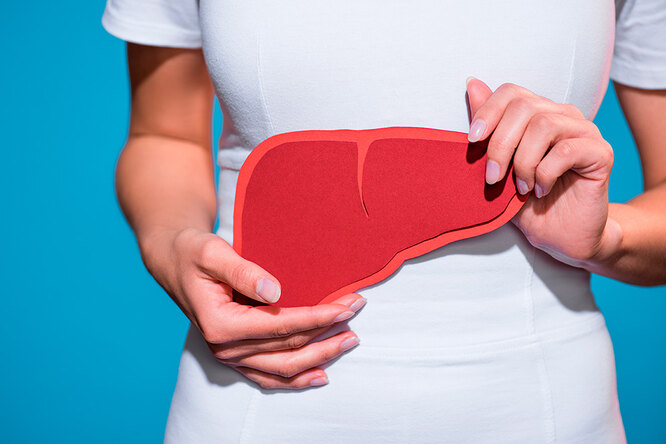
Liver cancer is one of the most common types of cancer worldwide, with increasing incidence in recent years. It most frequently affects men between the ages of 50 and 65, although it can occur in other age groups as well.
What Is Liver Cancer?
Liver cancer is a malignant tumor that develops in liver cells. It can be classified into two main types:
Primary liver cancer, which originates in the liver. The most common form is hepatocellular carcinoma.
Secondary (metastatic) liver cancer, which spreads to the liver from other organs. This type is significantly more common than primary liver cancer.
Early Symptoms
In its early stages, liver cancer often presents with mild or nonspecific symptoms, which may delay diagnosis. The tumor is usually small and does not significantly affect liver function at first. Some individuals may experience general fatigue or weakness.
More noticeable symptoms typically appear in later stages of the disease.
Top 10 Warning Signs of Liver Cancer
Jaundice
Yellowing of the skin and eyes caused by increased bilirubin levels. It may also be accompanied by itching.
Persistent Fever
A long-lasting elevated body temperature (above 37.5°C) without a clear cause.
Digestive Issues
Symptoms such as nausea, occasional vomiting, and loss of appetite.
Unexplained Weight Loss
Weight loss related to reduced appetite, metabolic changes, and impaired nutrient absorption.
Weakness and Fatigue
Ongoing tiredness due to metabolic disturbances in the body.
Easy Bruising
The liver plays a key role in blood clotting. When its function is impaired, bruising may occur more easily.
Pain in the Upper Right Abdomen
Discomfort or pain under the right rib cage, which may radiate to the back or shoulder.
Abdominal Swelling
Fluid accumulation in the abdominal cavity (ascites), often linked to impaired protein production or blood flow.
Visible Veins on the Abdomen
Enlarged veins appearing under the skin due to disrupted blood flow in the portal vein.
Changes in Blood Markers
Common findings include low glucose levels and increased bilirubin, cholesterol, calcium, and red blood cell counts.