
A balanced and structured diet plays a key role in managing diabetes. Below are general nutritional guidelines that can help maintain stable blood sugar levels.
Recommended Daily Foods
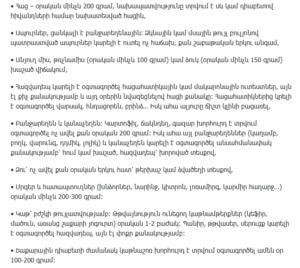
Bread: Up to 200 g per day, preferably whole grain or bread designed for people with diabetes
Soups: Vegetable-based soups are recommended. Light meat or fish broths can be consumed no more than twice per week
Protein Sources:
Lean meat or poultry: up to 100 g per day
Fish: up to 150 g per day
(Best prepared boiled or steamed)
Grains and Pasta: Consume occasionally and in small portions. On those days, reduce bread intake. Suitable grains include oats, buckwheat, and rice. Refined flour products should be limited
Vegetables and Greens:
Potatoes, beets, and carrots: up to 200 g per day
Other vegetables (cabbage, radish, cucumber, zucchini, tomatoes) and greens: can be consumed freely, raw or cooked
Eggs: Up to 2 per day (soft-boiled or as an omelet)
Fruits and Berries: Around 200–300 g daily (such as apples, oranges, lemons, cranberries, red currants)
Dairy Products:
Milk: only if approved by a doctor
Fermented dairy (kefir, yogurt, unsweetened yogurt): 1–2 cups daily
Cheese, sour cream, and cream: limited and occasional
Cottage Cheese: Recommended daily, about 100–200 g
Beverages: Green or black tea, coffee (not strong), tomato juice, and juices from sour fruits or berries
Meal Frequency
It is recommended to eat at least 4 meals per day, ideally 5–6 meals at regular times to help maintain stable glucose levels.
Note:
These are general dietary recommendations. Individual needs may vary, so it is important to consult a healthcare professional or nutritionist for personalized advice.