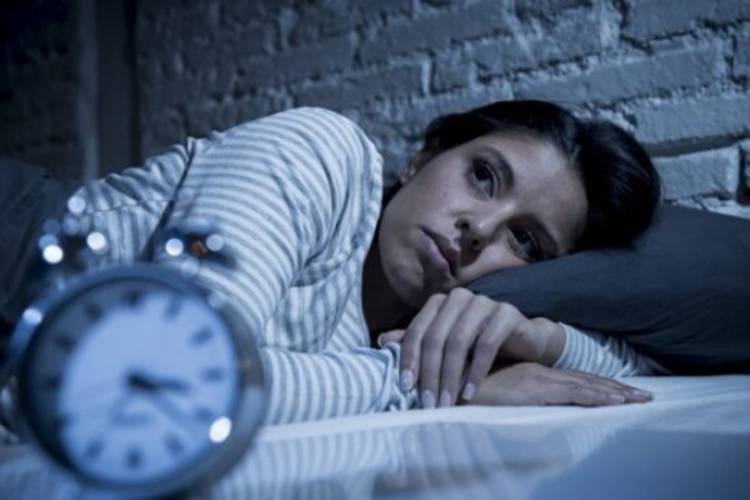


Waking up during the night is common and does not necessarily indicate a medical problem. However, frequent or persistent nighttime awakenings, particularly when accompanied by other symptoms, may sometimes be associated with an underlying health condition.
Russian nutritionist Yana Prudnikova, cited by RIA, has suggested that repeated nighttime awakenings may warrant medical evaluation. She noted that psychological factors can disrupt sleep but argued that certain physical conditions should also be considered.
Waking Up to Urinate
Frequently waking during the night to use the bathroom is known as nocturia. It can have many causes, including drinking large amounts of fluid before bedtime, certain medications, sleep disorders, diabetes, urinary problems and heart or kidney conditions.
Occasionally getting up once during the night does not automatically indicate disease. Persistent or worsening nocturia, however, may justify discussing the symptom with a healthcare professional.
Waking Up Hungry
Repeatedly waking with strong hunger can also have several explanations, ranging from eating patterns and sleep deprivation to certain metabolic conditions.
Prudnikova recommended evaluating blood glucose regulation in some patients with persistent symptoms. However, an oral glucose tolerance test is not automatically required for everyone who wakes during the night. The appropriate tests depend on symptoms, medical history and a clinician’s assessment.
Hormones and Sleep
Hormones such as cortisol and adrenaline are involved in the body’s sleep-wake and stress responses. Certain endocrine disorders can affect sleep, but nighttime restlessness or difficulty falling asleep alone does not prove that the adrenal glands are malfunctioning.
Claims of “subclinical adrenal dysfunction” should also be interpreted cautiously, as nonspecific symptoms cannot establish such a diagnosis without appropriate medical evaluation.
Many Other Causes Are Possible
Nighttime awakenings can also be associated with stress, anxiety, insomnia, sleep apnea, pain, alcohol or caffeine consumption, menopause, medications and environmental factors.
It is also normal for people to briefly wake between sleep cycles and return to sleep without remembering it the following morning.
If nighttime awakenings become frequent, significantly affect daytime functioning, or occur together with symptoms such as excessive thirst, frequent urination, unexplained weight changes, severe snoring or breathing interruptions, medical evaluation may be appropriate.
This material is for informational purposes only and does not replace professional medical diagnosis or treatment.