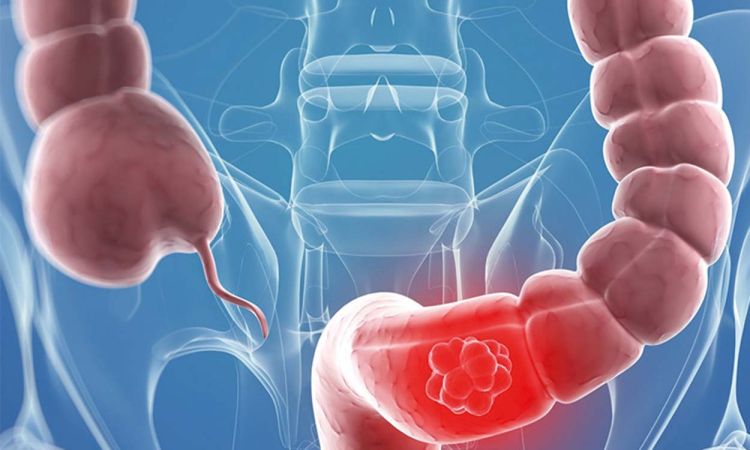

The rectum is part of the digestive system and plays a role in the final stage of nutrient absorption in the large intestine. According to information published by steptohealth.ru, rectal cancer may not present clear or noticeable symptoms in its early stages. For this reason, awareness of potential signs and regular screening are especially important, particularly for individuals with a genetic predisposition.
In some countries, colorectal cancers are among the leading causes of cancer-related mortality. At the same time, treatment outcomes can be highly effective, especially when the condition is identified at an early stage. Early diagnosis and appropriate medical care are therefore considered critical.
Rectal Cancer and Risk Factors
Several factors are commonly associated with an increased likelihood of developing rectal cancer, including:
Age over 60
Presence of intestinal polyps
Chronic intestinal conditions
Diet high in red and processed meats, unhealthy fats, and refined foods
Tobacco use and excessive alcohol consumption
Diabetes
Sedentary lifestyle
Excess body weight
Possible Warning Signs
One of the potential early signs may involve changes in bowel habits. For example, unexplained diarrhea or alterations in regular bowel patterns may occur even without changes in diet or lifestyle.
Over time, such changes may be accompanied by abdominal discomfort, unexplained fatigue, weakness, or gradual weight loss.
Other commonly mentioned symptoms in medical sources include:
Rectal bleeding
Iron-deficiency anemia
Abdominal pain or discomfort
Unintentional weight loss
Important Note
The symptoms listed above can be associated with many different conditions and do not necessarily indicate cancer. Only a qualified healthcare professional can determine the cause through appropriate medical evaluation and testing.
This content is provided for general informational purposes only and should not be considered medical advice. Individuals with concerns or risk factors are encouraged to seek professional medical guidance and participate in recommended screening programs.