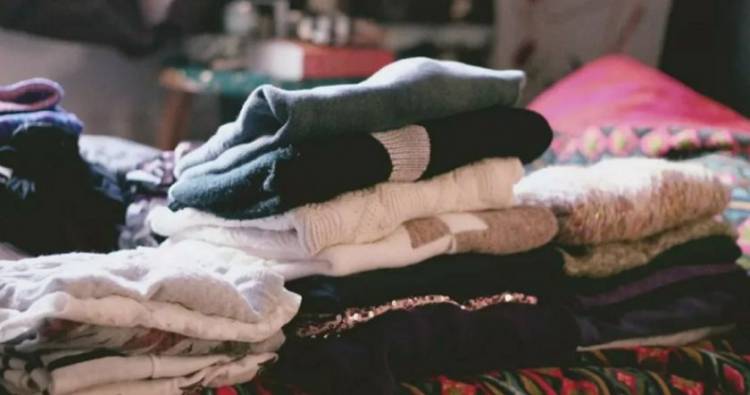
Many people are familiar with the idea that personal belongings may carry emotional or symbolic meaning after someone passes away. Understandably, families often have different views on this topic, and even close relatives may feel uncertain about how and when to handle a loved one’s belongings.
This article explores the issue from a practical and emotional perspective, taking into account personal beliefs, cultural traditions, and thoughtful options for organizing, keeping, donating, or responsibly disposing of items.
Is It Necessary to Wait 40 Days?
There is no single rule that applies to everyone. The most important factor is your emotional well-being. If seeing a loved one’s belongings causes distress or discomfort, it is reasonable to move them out of sight temporarily.
For many people, making final decisions becomes easier once the initial period of grief and stress has passed. Allowing yourself time can help ensure that choices are made calmly and thoughtfully.
How to Sort Personal Belongings
Once you feel ready, it may help to divide items into three main categories:
Keepsakes — items with sentimental value that you wish to keep or pass on to family members
Usable items — clothing or belongings in good condition that can be donated or sold
Unusable items — broken, damaged, or worn-out items that can be discarded or recycled responsibly
Photographs and Memories
Photographs are best treated as keepsakes. They preserve family history and personal memories and do not carry any negative meaning unless one personally believes so. Photos may also be meaningful when creating memorials or selecting portraits for remembrance.
Donating or Selling Items
New or gently used clothing and household items can be donated or sold through online platforms, charitable organizations, social services, or recycling centers. Donating items often helps others while giving belongings a renewed purpose.
Health and Safety Considerations
If a person passed away in their bed, it is generally recommended for hygiene reasons to remove the mattress and thoroughly disinfect the bed frame to reduce potential health risks.
Final Thought
There is no “right” or “wrong” way to handle a loved one’s belongings. What matters most is choosing a path that respects both your emotions and practical needs. Taking time, asking for support, and making decisions at your own pace can help this process feel more manageable.