
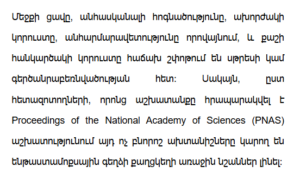



Back pain, unexplained fatigue, loss of appetite, abdominal discomfort, and sudden weight loss are often attributed to stress or overwork. However, researchers reporting in Proceedings of the National Academy of Sciences (PNAS) suggest that such non-specific symptoms may, in some cases, be among the early signs associated with pancreatic cancer.
Pancreatic cancer is considered one of the more aggressive forms of cancer, largely because it is frequently diagnosed at advanced stages. In early phases, the disease may cause few noticeable symptoms or present in ways that resemble common conditions, such as generalized back pain or unexplained weight changes. Researchers emphasize that paying attention to persistent or unusual symptoms could support earlier medical evaluation.
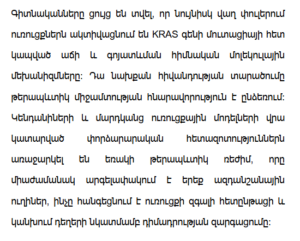
The study reports that even in early stages, tumor cells activate key growth and survival mechanisms linked to mutations in the KRAS gene. This biological activity may create a potential window for therapeutic intervention before the disease spreads further. In experimental models involving animals and human tumor samples, researchers explored a combination approach targeting three signaling pathways simultaneously. This strategy was associated with tumor regression in preclinical settings and appeared to reduce the development of treatment resistance.
The authors note that this therapeutic concept is still in the preclinical research phase and requires further clinical investigation. While these findings may inform future treatment strategies, early detection remains a critical factor. Recognizing persistent symptoms such as ongoing back pain or unexplained weight loss may help prompt timely medical consultation before the disease becomes more advanced.
This article is for informational purposes only and does not replace professional medical advice, diagnosis, or treatment. Individuals experiencing persistent or concerning symptoms should seek evaluation from a qualified healthcare professional.