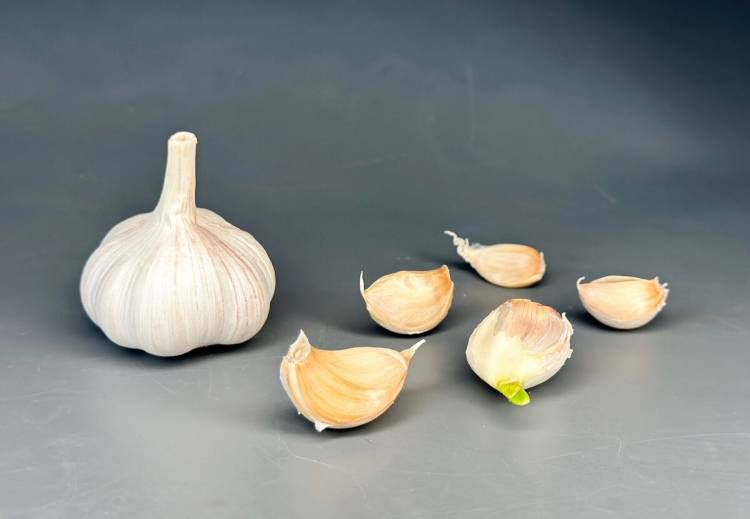
Garlic is widely used in cooking and is valued for its flavor as well as its natural plant compounds. The way garlic is prepared can influence the amount of certain bioactive substances that become available.
One of the most studied compounds in garlic is allicin, which forms when garlic is chopped, crushed, or otherwise mechanically damaged. Whole, uncut cloves contain the precursor compounds, but allicin itself is produced only after the garlic’s structure is disrupted and exposed to air. Allowing chopped or crushed garlic to rest for a few minutes before cooking may help increase the formation of allicin-related compounds.
Heat can reduce the activity of some of garlic’s naturally occurring substances. For this reason, many cooking guides recommend adding garlic toward the end of the cooking process or using it fresh in dressings and toppings to help preserve flavor and aroma. This approach may also help retain some of the plant compounds that are sensitive to prolonged heat.
Garlic can be part of a balanced diet and contribute to overall dietary variety. However, its effects on health depend on overall eating patterns and lifestyle. Individuals with digestive sensitivities or those taking certain medications may wish to consult a healthcare professional about garlic intake.
This content is for general informational purposes only and does not replace professional medical advice, diagnosis, or treatment.