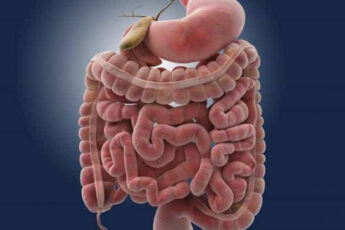


High cholesterol is widely known as a major risk factor for cardiovascular disease, but it is important to understand that cholesterol itself is not inherently “bad.” In fact, cholesterol plays a vital role in the human body: it is essential for the production of hormones, supports the synthesis of vitamin D, and contributes to normal digestive processes. Problems arise when cholesterol levels become imbalanced and remain elevated over a long period of time.
Many people are unaware that high cholesterol often develops silently, without obvious symptoms in the early stages. As a result, the condition may go unnoticed until it begins to affect blood vessels, circulation, and overall heart health. Genetic predisposition, thyroid disorders, diabetes, chronic liver conditions, and lifestyle factors can all contribute to elevated cholesterol levels.
Being attentive to subtle physical changes—such as skin alterations, unusual sensations in the limbs, or persistent discomfort—can help individuals recognize potential warning signs early. Timely medical consultation, routine blood tests, and preventive lifestyle adjustments may significantly reduce long-term health risks and support overall well-being.