




The liver plays an important role in processing substances in the body and supporting metabolic balance. Because it is continuously involved in filtering and processing various compounds, maintaining overall liver health is considered an important part of general well-being. Paying attention to noticeable changes in the body may help identify when it is useful to seek professional medical advice.
Below are several physical signs that are sometimes discussed in relation to general metabolic or circulatory health. These signs can have many possible causes and do not by themselves indicate a specific condition.
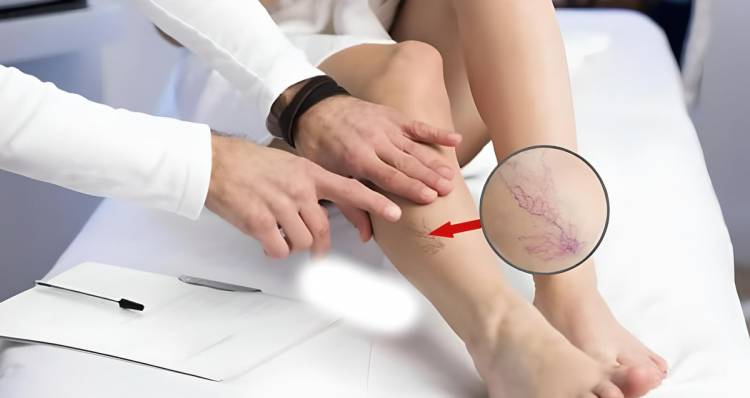
1. Visible small blood vessels on the legs
The appearance of small, surface-level blood vessels may be related to circulation or pressure in the vascular system. These vessels are not necessarily associated with varicose veins and may appear without causing pain. In some cases, changes in skin coloration can also occur. Such signs can be influenced by various factors, including circulation and skin sensitivity.
2. Itching
Generalized or localized itching can have many potential causes, including skin conditions, allergies, or changes in bile flow and metabolism. Persistent or unexplained itching may warrant consultation with a healthcare professional for proper assessment.
3. Cracked or very dry skin
Cracks or pronounced dryness of the skin, particularly on the heels or fingers, can be influenced by environmental factors, hydration levels, and skin care habits. Changes in fat metabolism and skin moisture can also affect skin elasticity.
4. Swelling
Swelling in different parts of the body may be related to fluid balance, circulation, or other systemic factors. Because fluid regulation involves multiple organs, persistent swelling is generally a reason to seek medical evaluation.
5. Unusual sensations or discomfort
Sensations such as tingling, numbness, or unexplained discomfort can be associated with nerve sensitivity, circulation, or inflammatory processes. These symptoms can have a wide range of causes and may benefit from professional assessment if they persist.
6. Persistent odor
Ongoing body or foot odor that does not improve with hygiene measures can sometimes be influenced by metabolic factors, skin conditions, or other internal processes. Identifying the underlying cause typically requires medical evaluation.
The signs listed above are non-specific and may be associated with many different conditions. This information is provided for general awareness only and does not represent a medical diagnosis. If any of these changes are persistent, concerning, or accompanied by other symptoms, consulting a qualified healthcare professional is recommended for proper evaluation and guidance.