
Many experts suggest that our thoughts and emotions can influence the body in various ways. The human body responds to different emotional states by producing hormones and chemical signals—such as those linked to stress or well-being—which may affect how we feel physically.
While life events often shape our emotional responses, our perception and interpretation of those events also play a significant role in how the body reacts.
Below are commonly discussed connections between emotional states and physical discomfort. These associations are not medical diagnoses but are often explored in mind-body wellness discussions.
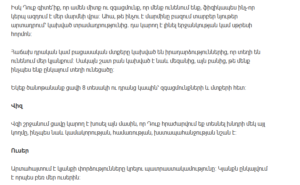
Neck
Discomfort in the neck area is sometimes associated with resistance to seeing different perspectives or holding on to rigid beliefs.
Shoulders
Shoulder tension is often linked to feeling burdened or overwhelmed, as if carrying the weight of responsibilities.
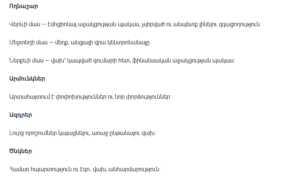
Spine
Upper back: May reflect a perceived lack of emotional support or feelings of being unappreciated
Middle back: Often associated with lingering guilt or focus on the past
Lower back: Commonly linked to concerns about financial security or stability
Elbows
Elbow discomfort is sometimes connected to resistance to change or difficulty adapting to new situations.
Hips
Hip pain may be associated with fear of making major decisions or moving forward in life.
Knees
Knees are often linked to pride, ego, or difficulty with flexibility in thinking and behavior.
Ankles
Ankle discomfort can be associated with indecision or feelings of guilt, as well as challenges in experiencing enjoyment.
Big Toe Area
Pain in this area is sometimes interpreted as a reduced sense of enthusiasm for new experiences or life changes.
Important Note
These interpretations come from holistic and psychological perspectives and should not replace professional medical advice. Physical pain may have medical causes that require proper diagnosis and treatment. If symptoms persist, it is important to consult a healthcare professional.