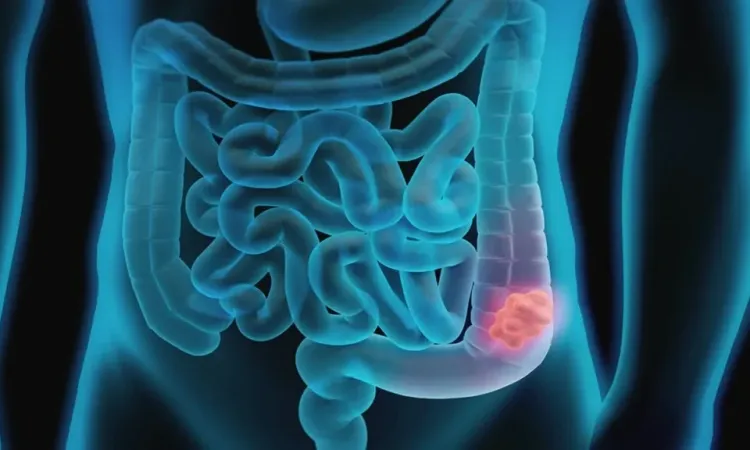


The rectum is an important part of the digestive system. In the large intestine and rectum, the absorption of processed nutrients is completed, and this is also where various functional disorders can occur. According to steptohealth.ru, rectal cancer often shows no specific symptoms in its early stages, which is why the disease is frequently diagnosed later than it should be.
Doctors emphasize that in some countries colorectal cancer is one of the leading causes of cancer-related deaths. At the same time, it is important to note that treatment outcomes are significantly better when the disease is detected early. Timely diagnosis and properly chosen therapy can greatly improve both life expectancy and quality of life.
Risk Factors for Rectal Cancer
There are several factors that can increase the likelihood of developing rectal cancer:
Age over 60
Presence of polyps in the intestines
Chronic inflammatory or functional bowel disorders
An unhealthy diet rich in red meat, processed meats, unhealthy fats, and refined foods
Smoking and alcohol consumption
Diabetes
Sedentary lifestyle
Overweight and obesity
A combination of these factors over time can significantly raise the risk, especially if regular medical check-ups are neglected.
Early Warning Signs to Pay Attention To
One of the most common early signs is a change in bowel habits. A person may suddenly experience diarrhea or constipation without any significant change in diet or daily routine. Over time, other symptoms may appear, such as:
Abdominal discomfort or pain
Persistent fatigue and weakness
Unexplained weight loss
Loss of appetite
General decline in well-being
These symptoms do not necessarily indicate cancer, but if they persist, they should not be ignored and deserve medical evaluation.
What You Can Do
Although these signs can be caused by less serious conditions, health professionals advise paying close attention to your body’s signals. It is especially important to consult a doctor if you have a family history of colorectal cancer or if you have previously been diagnosed with any type of cancer.
Regular preventive screenings, a balanced diet, physical activity, and avoiding harmful habits can significantly reduce the risk of developing rectal cancer and increase the chances of early detection.