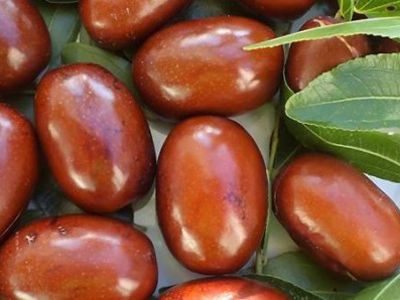



Jujube, also known as Chinese date (Ziziphus jujuba), has been used as both food and a traditional remedy in parts of Asia for centuries. Its fruits are the best-known edible part, while the seeds, leaves, bark and roots have also been used in traditional medicine.
Jujube fruit contains fiber, carbohydrates, vitamin C and minerals such as potassium, as well as various plant compounds, including flavonoids and other polyphenols with antioxidant activity. The exact nutritional composition varies depending on the variety and whether the fruit is fresh or dried.
Traditional Uses
In traditional Chinese and other Asian medical practices, jujube has been used for a wide range of purposes. The fruit and seeds have historically been associated with relaxation, sleep and digestive health, while preparations made from other parts of the plant have also been used for coughs, inflammation and skin conditions.
However, traditional use should not be confused with clinically proven treatment. Claims that jujube can treat conditions such as hypertension, pneumonia, bronchitis, kidney inflammation, depression or serious skin diseases are not supported by sufficient high-quality clinical evidence to replace standard medical care.
Antioxidants and Other Potential Benefits
Jujube contains several antioxidant compounds. Laboratory and animal studies have investigated possible anti-inflammatory, antioxidant, antimicrobial and metabolic effects, but research in humans remains limited for many of these proposed benefits.
Its fiber content may support normal digestive function, while fresh jujube can contribute vitamin C and other nutrients as part of a balanced diet.
Jujube extracts and seeds are also found in some dietary supplements, including products marketed for sleep, relaxation or general wellness. The effectiveness and safety of concentrated extracts can differ considerably from simply eating the fruit.
Claims that jujube can “detoxify” the body by removing heavy metals, radioactive substances or other toxins should also be treated cautiously, as such effects have not been established as a medical treatment in humans.
For most people, jujube can be enjoyed as a nutritious food. Anyone considering concentrated jujube extracts or supplements—particularly people taking medications, pregnant or breastfeeding individuals, or those managing a medical condition—should consult a healthcare professional first.