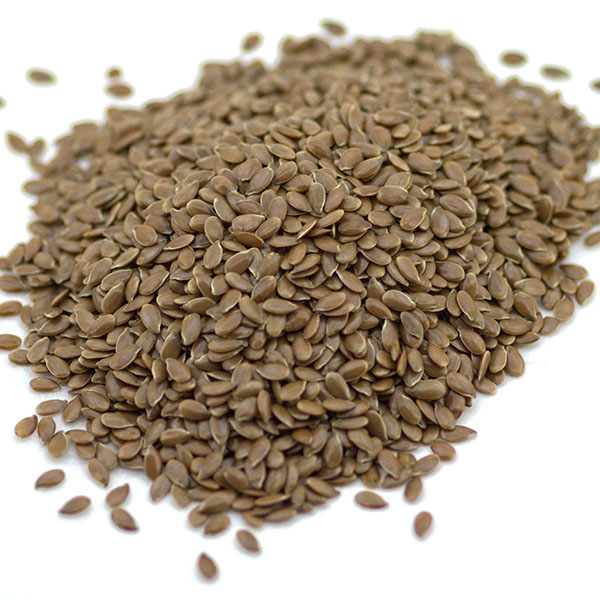


Flaxseeds are small but nutrient-dense seeds rich in fiber, plant-based omega-3 fatty acids and lignans. Regularly including them in a balanced diet may support digestive and cardiovascular health and could help with blood sugar control.
May Help With Blood Sugar Control
The fiber in flaxseeds can slow digestion and the absorption of carbohydrates, which may help reduce sharp increases in blood glucose after meals.
Research suggests that flaxseed may have modest benefits for blood sugar control in some people, including those with type 2 diabetes. However, it should not be considered a treatment or replacement for prescribed diabetes medication.
Rich in Antioxidant Compounds
Flaxseeds are particularly rich in lignans, plant compounds with antioxidant properties.
Laboratory and observational research has investigated whether lignans may influence inflammation and the risk of certain diseases, including some cancers. However, claims that flaxseeds can directly prevent or treat cancer are not supported strongly enough to make them an anticancer therapy.
May Support Heart Health
Flaxseeds contain alpha-linolenic acid (ALA), a plant-based omega-3 fatty acid.
Their combination of ALA and soluble fiber may help improve certain cardiovascular risk factors. Regular consumption has been associated with modest reductions in LDL (“bad”) cholesterol and blood pressure in some studies.
This does not mean flaxseeds can independently prevent blood clots, heart attacks or strokes.
Can Improve Digestion
Flaxseeds contain both soluble and insoluble fiber. When combined with liquid, soluble fiber forms a gel-like substance that can help support regular bowel movements and may be useful for preventing constipation.
Claims that flaxseeds “remove toxins” from the body are misleading. The body primarily processes and eliminates waste through the liver, kidneys and digestive system.
How to Eat Flaxseeds
Ground flaxseed is generally preferable to whole seeds, because whole flaxseeds may pass through the digestive tract without being fully broken down.
Ground flaxseed can be added to yogurt, oatmeal, cereals, salads or smoothies. It is also important to drink enough fluids when increasing dietary fiber.
People taking medications, particularly those for diabetes or blood clotting, or those with gastrointestinal conditions should consult a healthcare professional before substantially increasing flaxseed intake.
This material is for informational purposes and does not replace professional medical advice or treatment.