
Pumpkin is a nutritious autumn food that provides water, fiber, potassium, carotenoids and other vitamins and minerals. Including it in a balanced diet can support overall health, although claims that pumpkin can “clean” the kidneys or blood vessels should be interpreted with caution.
1. Kidney Health and Fluid Balance
Pumpkin has a high water content and provides potassium, which plays an important role in maintaining normal fluid and electrolyte balance.
However, pumpkin does not literally cleanse the kidneys or remove toxins from them. The kidneys themselves continuously filter the blood and eliminate waste products through urine.
There is also insufficient evidence that eating pumpkin prevents kidney stones. Different types of kidney stones have different causes and may require specific dietary recommendations.
People with chronic kidney disease may need to restrict potassium, so increasing pumpkin consumption is not appropriate for everyone.
2. Cholesterol and Cardiovascular Health
Pumpkin contains dietary fiber, while pumpkin seeds provide unsaturated fats, magnesium and other nutrients.
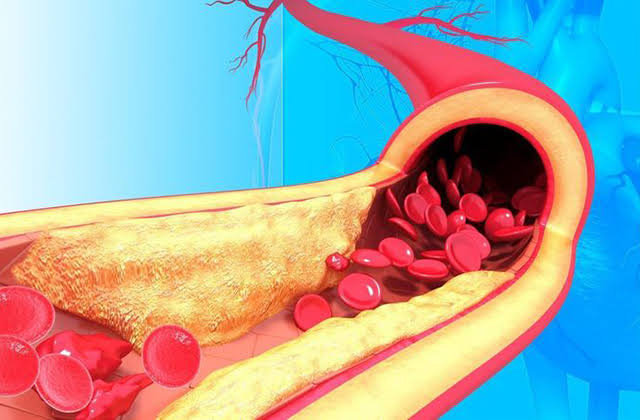
Fiber-rich foods can be part of a heart-healthy diet and may contribute to healthier cholesterol levels. However, pumpkin does not physically “clean” cholesterol deposits from blood vessels.
Regularly eating vegetables, fruits, whole grains, legumes, nuts and seeds while limiting excessive saturated fat, sodium and highly processed foods is more important for cardiovascular health than relying on a single food.
3. What Is the Best Way to Eat Pumpkin?
Cooked or baked pumpkin is an easy way to include it in meals. Gentle cooking makes the flesh soft and digestible while retaining many of its beneficial nutrients.
Fresh pumpkin juice can also be consumed, but it generally contains less fiber than eating the whole vegetable. There is no established medical evidence that drinking 100–150 ml of pumpkin juice specifically in the morning “stimulates” or cleanses the kidneys.
Pumpkin can instead be incorporated into soups, salads, porridges and other meals as part of an overall balanced diet.
This material is for informational purposes only. People with chronic kidney disease, abnormal potassium levels or other conditions requiring dietary restrictions should discuss significant dietary changes with a healthcare professional.