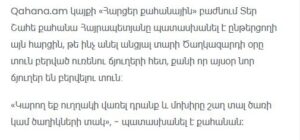
In the “Ask the Priest” section of Qahana.am, Father Shahe Hayrapetyan addressed a question frequently asked by believers ahead of Palm Sunday. A reader wanted to know what should be done with willow branches that were brought into the home on Palm Sunday last year, especially since new branches are traditionally brought in again this year.
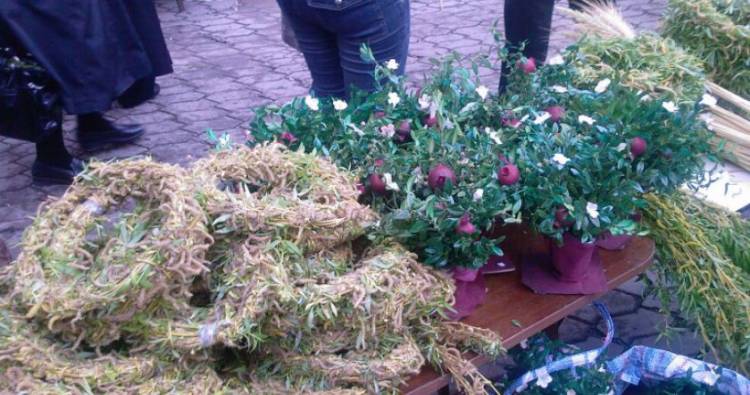
Palm Sunday, known in Armenia as Tsaghkazard, is one of the most significant feast days of the Armenian Apostolic Church. On this day, believers bring blessed willow branches into their homes as a symbol of renewal, faith, and spiritual joy. Over time, however, many people are unsure how to properly handle branches from previous years in a respectful manner.
Responding to the question, Father Shahe Hayrapetyan explained that there is no need for concern or confusion. According to the priest, the old willow branches may simply be burned, and the ashes can then be scattered under a tree or flowers. This approach is considered appropriate and respectful, as it avoids careless disposal while allowing the natural elements to return to the earth.
The priest’s answer highlights a broader principle within church tradition: blessed items should be treated with reverence, but without unnecessary ritual complexity. Burning the branches is not viewed as a special rite, but rather as a practical and dignified way to dispose of items that are no longer in use.
Clergy members often emphasize that the spiritual meaning of Palm Sunday lies not in the physical branches themselves, but in the faith and remembrance they represent. Believers are encouraged to focus on the holiday’s message of humility, renewal, and preparation for Holy Week, rather than worrying about strict rules regarding symbolic objects.
As Palm Sunday approaches, such clarifications help many households observe traditions with greater peace of mind. Simple guidance from church representatives allows believers to maintain respect for religious customs while approaching them with understanding and balance.