
Many people experience abdominal discomfort at least once in their lives — bloating, cramps, alternating constipation and diarrhea, or a feeling of incomplete bowel emptying. These symptoms are often attributed to stress, diet, or “nerves.” In many cases, they are caused by Irritable Bowel Syndrome (IBS) — a functional digestive disorder that does not damage organs but can significantly affect quality of life.
However, similar symptoms can sometimes mask a much more serious condition, such as colorectal (colon) cancer. This disease often develops silently, especially in its early stages, and its first signs can be easily mistaken for common digestive problems. At the same time, early detection greatly increases the chances of successful treatment.
So how can you tell when digestive symptoms are harmless — and when they require medical attention?
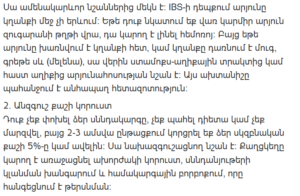
What Is Irritable Bowel Syndrome (IBS)?
IBS is a chronic functional disorder of the intestines. This means there is no inflammation, tumors, or structural damage, but bowel function is disrupted. Common contributing factors include stress, gut microbiome imbalance, increased sensitivity of intestinal nerves, and irregular eating habits.
Typical IBS symptoms include:
Abdominal pain or discomfort that improves after bowel movements
Bloating and gas
Alternating constipation and diarrhea
A feeling of incomplete bowel emptying
Mucus in the stool (without blood)
Important: IBS does not cause unexplained weight loss, fever, or blood in the stool. Symptoms often worsen during stressful periods and improve during rest or vacations.
What Is Colon Cancer?
Colon cancer is a malignant tumor that develops from the lining of the large intestine. It often begins as benign polyps that may gradually turn cancerous. In early stages, the disease may produce no symptoms, especially when the tumor is located on the right side of the colon.
As the disease progresses, warning signs may appear — some of which can resemble IBS. This is why it is crucial to recognize the so-called “red flags.”
7 Warning Signs You Should Not Ignore
If you experience any of the following symptoms, it is important to consult a doctor, even if you have been previously diagnosed with IBS:
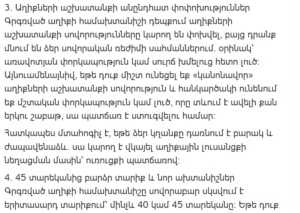
Blood in the stool or black, tar-like stools
IBS does not cause bleeding. Blood mixed with stool or dark stools may indicate internal bleeding and require urgent evaluation.
Unexplained weight loss
Losing 5% or more of body weight within a few months without diet or lifestyle changes can be a serious warning sign.
Persistent changes in bowel habits
Sudden, ongoing constipation or diarrhea lasting more than two weeks — especially if stool becomes thin or ribbon-like — should be investigated.
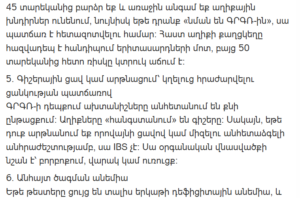
New symptoms after age 45
IBS usually begins earlier in life. New digestive symptoms after midlife should never be ignored.
Nighttime pain or urgent bowel movements that wake you up
IBS symptoms typically improve during sleep. Night symptoms may indicate an organic disease.
Unexplained iron-deficiency anemia
Chronic internal bleeding from the intestines can cause anemia without obvious symptoms.
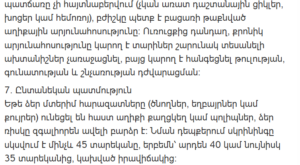
Family history of colon cancer or polyps
A close family history significantly increases risk and may require earlier screening.
Why Early Screening Matters
Digestive symptoms are common, and most are not dangerous. Still, persistent or unusual changes should always be evaluated by a healthcare professional. Screening tests such as stool analysis or colonoscopy can detect problems early — often before symptoms become severe.
Listening to your body and acting early can save lives.