In today’s world, where each of us is exposed to an endless flow of information, it is crucial to distinguish reliable, meaningful knowledge from myths and misconceptions—especially when it comes to health. This is particularly relevant in discussions about cancer, its prevention, and early detection.
Dr. Ruslan Masgutov, a well-known researcher, microsurgeon, orthopedist, and psychologist, highlights key warning signs that can help people take a more conscious and responsible approach to their health.
1. Headaches
Frequent or severe headaches may serve as an important signal of underlying health problems, including possible oncological conditions.
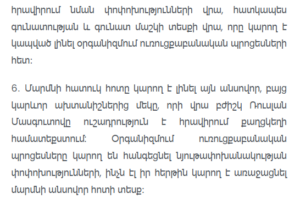
2. Increase in moles and skin growths
A growing number of moles or the appearance of fibromas on the skin may indicate pathological processes in the body. While most moles are benign, rapid changes in their number, size, shape, or color may suggest malignant transformation.
3. Persistent elevated body temperature
A prolonged fever that cannot be explained by common causes such as infections may be a sign of serious disorders, including cancer.
4. “Silent” solid organ cancers
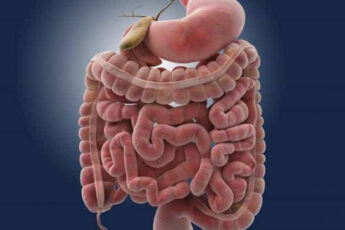
Cancers of solid organs—such as the liver, lungs, pancreas, and kidneys—are often called a “silent threat” because they tend to remain asymptomatic in the early stages.
5. Changes in skin color
Alterations in skin tone, particularly pallor or an unusually pale appearance, can be an important indicator of various diseases, including oncological processes.
6. Unusual body odor
An uncommon but significant symptom is a distinct change in body odor. According to Dr. Masgutov, metabolic changes caused by cancer may lead to the appearance of unusual smells.
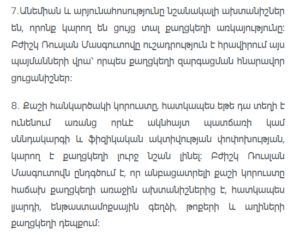
7. Anemia and bleeding
Anemia and unexplained bleeding are serious warning signs that may indicate the presence of cancer and should never be ignored.
8. Sudden weight loss
Unexplained weight loss without changes in diet or physical activity is one of the most alarming symptoms. It is often among the earliest signs of cancers of the liver, pancreas, lungs, and intestines.
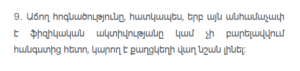
9. Increasing fatigue
Persistent fatigue that is disproportionate to physical activity and does not improve with rest may be an early indicator of cancer.