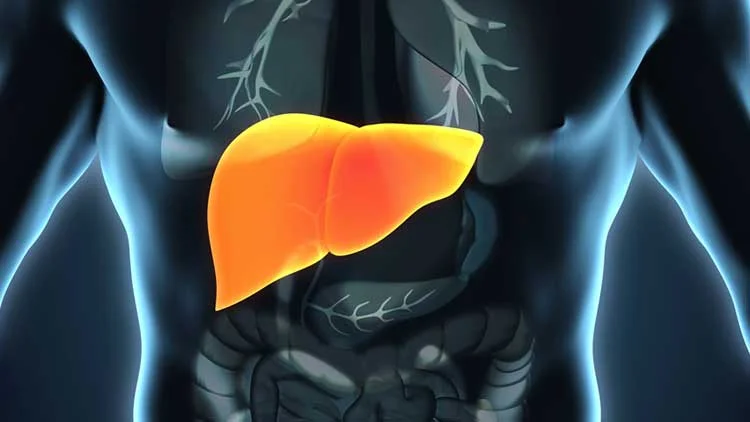





1. Jaundice
This occurs when the skin and the whites of the eyes take on a yellowish tint. It happens due to a buildup of bilirubin, a yellow-orange substance produced when the body breaks down old red blood cells. Normally, the liver filters bilirubin out of the blood. When the liver does not function properly, bilirubin can accumulate in the bloodstream and deposit in the skin, causing yellow discoloration.
2. Abdominal Pain
This pain is usually felt in the upper right part of the abdomen, where the liver is located. It can range from mild discomfort to sharp pain and may be constant or intermittent.
3. Edema (Swelling)
Swelling may appear in the abdomen, legs, or ankles. When the liver cannot effectively filter blood, fluid may accumulate in body tissues, leading to swelling. This symptom should not be ignored, as it may indicate advanced liver dysfunction.
4. Unexplained Weight Loss
Losing weight without changes in diet or physical activity can be a cause for concern. The liver plays a key role in metabolism and nutrient absorption. If liver function is impaired, these processes may be disrupted, potentially leading to weight loss.
5. Persistent Fatigue
Occasional tiredness is common, but ongoing and unexplained fatigue is different. This type of exhaustion does not improve with rest. When the liver is damaged, it must work harder to perform its functions, which can contribute to constant fatigue.
6. Changes in Urine Color
Urine color can be an important indicator of liver health. If the liver is unable to properly process bilirubin, this substance may be excreted through urine, causing it to appear dark or amber-colored. Persistent changes in urine color without clear causes, such as certain foods or medications, may warrant medical consultation.
7. Nausea and Vomiting
These symptoms may occur when a damaged liver allows toxins to build up in the bloodstream, potentially affecting the brain and digestive system. While nausea and vomiting can be linked to many conditions, they should not be ignored if they are frequent or persistent.
Note: These symptoms can be associated with various conditions. Only a qualified healthcare professional can provide an accurate diagnosis.