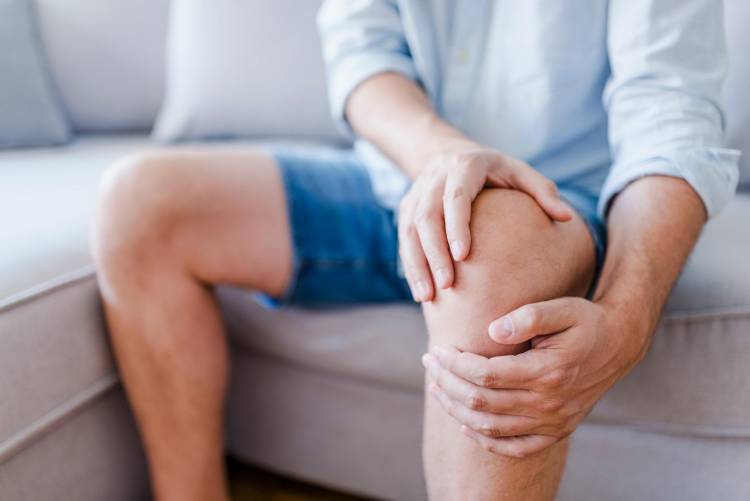


An uncomfortable muscle spasm in the legs can wake many people in the middle of the night. In most cases, the spasm is short-lived and passes within a few minutes, but it may lead to soreness or discomfort the following day. Some people rely on pain relief measures, yet recurring cramps may continue if underlying contributing factors are not addressed.
Below are some common factors that may be associated with muscle spasms in the legs, as well as general approaches that may help reduce discomfort.
Possible reasons for leg cramps:
1. Dehydration
When the body loses fluids through sweating or insufficient water intake, electrolyte balance may be affected. Electrolytes play a role in normal muscle function, and inadequate hydration may be linked to more frequent muscle cramps.
2. Cold environment
While many people prefer cooler rooms for sleep, low temperatures may contribute to muscle tightness. Ensuring adequate warmth, especially for the legs, may help reduce the likelihood of spasms. Exposure to cold can make muscles feel stiff and less flexible, which may increase the chance of cramping.
3. Staying in one position for a long time
Remaining seated or standing in the same position for extended periods may be associated with muscle spasms later on. Wearing high-heeled shoes for long durations can also place additional strain on the legs and lower back, which may increase discomfort.
4. Physical activity without stretching
Engaging in exercise without proper warm-up or stretching before and after activity may contribute to muscle tightness later. While regular physical activity supports overall fitness, incorporating gentle stretching may help reduce post-exercise discomfort.
This information is provided for general awareness and does not replace professional medical advice. If leg cramps occur frequently or are severe, consulting a qualified healthcare professional may be helpful for proper evaluation.