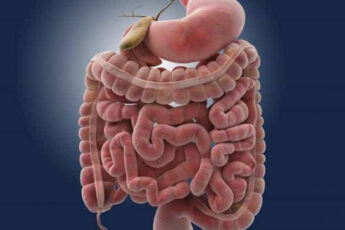

Cases of colon cancer have been increasing in recent years. Doctors point out that excessive consumption of red meat and processed meats may be one of the contributing factors.
Gastroenterologist Alyona Trapeznikova from the Fomina Clinic Network spoke with the newspaper Vechernyaya Moskva about the causes of the disease, how to recognize it, and how it can be prevented.
According to the specialist, the main risk factors include:
Genetic predisposition, especially conditions such as Lynch Syndrome and Familial Adenomatous Polyposis
Age over 50
A diet high in processed meat and low in fiber
Obesity
Sedentary lifestyle
Chronic inflammatory bowel diseases such as Crohn’s Disease and Ulcerative Colitis
Smoking and alcohol consumption
Symptoms
As the gastroenterologist explained, symptoms often depend on the stage of the disease and may include:
Diarrhea or constipation
Blood in the stool
Unexplained weight loss
Abdominal pain, especially at night
General weakness
However, in the early stages the disease often develops without noticeable symptoms, which is why regular medical checkups are extremely important.
Diagnosis
The main diagnostic method is colonoscopy, which allows doctors not only to detect abnormalities but also to remove polyps, which are considered precancerous growths.
Doctors may also order:
A stool test for hidden blood
A complete blood count (CBC) to detect anemia
Prevention
To reduce the risk of colon cancer, experts recommend:
Eating a balanced diet rich in vegetables, fruits, and fiber
Limiting red and processed meat
Maintaining regular physical activity
Avoiding smoking and excessive alcohol consumption
Undergoing regular medical screenings
People over 45 years old or those with a family history of colon cancer are advised to undergo a colonoscopy every five years.
Doctors emphasize that colon cancer is a serious but preventable disease. Early detection and paying attention to warning signs can save lives, so anyone experiencing concerning symptoms should seek medical advice promptly.