

Researchers at the University of California, Los Angeles (UCLA) have identified a previously unknown link between cholesterol levels and the activity of cancer cells. The findings were published in the journal Cell Stem Cell.
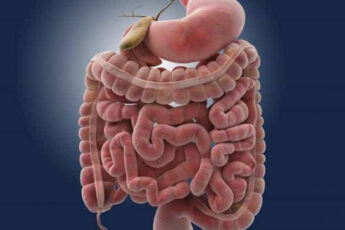
During experiments on laboratory mice, scientists analyzed changes in intestinal tissue. The animals were divided into two groups: in one group, cholesterol levels were increased through diet, while in the other, cholesterol production was genetically enhanced. In both cases, researchers observed accelerated division of intestinal stem cells and more aggressive tumor growth.
“We found that cholesterol affects the growth of stem cells in the intestines, which in turn increases the rate of cancer development by more than 100 times,” said Peter Tontonoz, professor of pathology and medicine at UCLA and the lead author of the study.
The researchers believe their findings could contribute to the development of more effective treatments for gastrointestinal diseases, including colorectal cancer. At the same time, experts emphasize that completely eliminating cholesterol is neither possible nor necessary, as it plays a vital role in hormone production, vitamin D synthesis, and the formation of cell membranes.
Doctors also highlight the important difference between “good” and “bad” cholesterol. High-density lipoproteins (HDL) are considered safer for the body, while high levels of low-density lipoproteins (LDL) are associated with increased health risks.
According to the American Institute for Cancer Research, diets high in cholesterol often include large amounts of red and processed meat, which may raise the risk of cancer. As a healthier alternative, experts recommend a balanced diet that includes lean meats, low-fat dairy products, and seafood.