Persistent or unusual pain in different parts of the body may sometimes signal underlying health issues. Recognizing patterns and associated symptoms is important for timely medical evaluation.
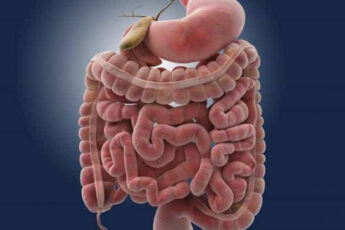
1. Ongoing Abdominal Pain
A dull, aching, or cramping abdominal pain that is not related to food or physical activity may indicate issues affecting the stomach, pancreas, liver, or intestines.
Possible causes:
Pressure on organs or nerves
Inflammation around affected tissues
Internal spread affecting nearby structures
How to recognize it:
Pain in the upper or lower abdomen that does not go away with rest
May worsen at night
Often accompanied by nausea, bloating, or unexplained weight loss
2. Chronic Bone or Back Pain
Persistent pain in the bones, joints, or lower back—especially without injury—may require further attention.
Possible causes:
Structural changes in bone tissue
Pressure on spinal nerves
Inflammatory processes
How to recognize it:
Pain in the back, ribs, or pelvis
Worse at night or during movement
May be accompanied by weakness or numbness
3. Constant Headaches
Headaches that do not improve with standard pain relief methods should not be overlooked.
Possible causes:
Pressure affecting brain tissue or blood vessels
Increased internal pressure due to swelling
Secondary effects from other conditions
How to recognize it:
Persistent headaches, especially in the morning
Nausea, vomiting, or vision problems
Memory or coordination difficulties
4. Chest Pain or Painful Cough
Chest discomfort that worsens with breathing or coughing may indicate respiratory-related conditions.
Possible causes:
Irritation or pressure in lung tissue
Inflammation or fluid buildup
Effects on surrounding structures
How to recognize it:
Pain when taking deep breaths or coughing
Ongoing cough or shortness of breath
May be accompanied by fatigue or weight loss
5. Pelvic Pain
Pain in the pelvic or lower abdominal area can be associated with various internal conditions affecting nearby organs.
Possible causes:
Pressure on pelvic organs or nerves
Inflammation or circulation issues
Functional disturbances in the urinary or digestive system
How to recognize it:
Pain during urination or bowel movements
Blood in urine or stool
Urinary difficulties or constipation
Note:
These symptoms do not necessarily indicate a serious condition, but persistent or worsening pain should always be evaluated by a qualified healthcare professional. Early assessment improves the chances of identifying and managing potential issues effectively.