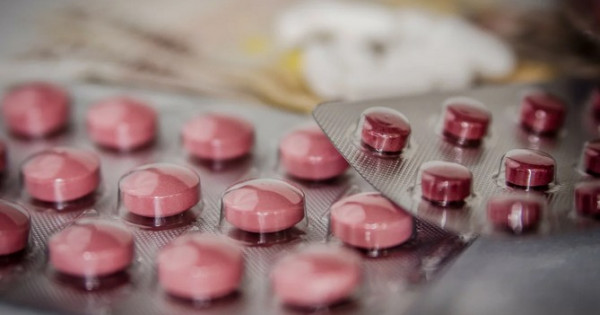
Doctors warn that some commonly stored medications at home should only be used when strictly necessary—or not kept at all for self-treatment. The main concern is not just expiration dates, but the risks associated with improper use.
Examples to Be Careful With
Analgin
Despite its widespread use, this pain reliever is restricted in some countries. It may cause serious side effects, including blood-related disorders. Use without medical supervision is not recommended.
Amoxicillin (and other antibiotics)
Should not be taken “just in case” for colds. Misuse can lead to antibiotic resistance, making future infections harder to treat.
Dexalgin
A strong painkiller often overused. It may harm the stomach and liver, especially with frequent use.
Theraflu (and similar combination drugs)
Contains multiple active ingredients and can unnecessarily strain the body—particularly the liver—if taken without clear need.
Prednisolone (hormonal drugs)
Should never be used without a doctor’s prescription. These medications affect the entire body and may cause serious complications if misused.
Why This Matters
The risk lies not in the medicines themselves, but in unsupervised use without proper diagnosis. Keeping strong medications at home often encourages self-medication.
Safer Approach
Keep only basic, low-risk items in your home medicine kit, and use stronger medications strictly under medical guidance. This helps reduce unnecessary risks and protects your health.
Note:
This information is for general awareness and does not replace professional medical advice. Always consult a healthcare provider before taking any medication.