
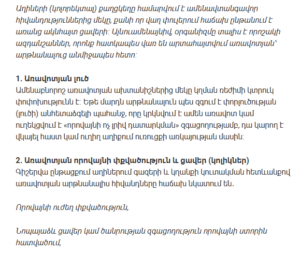
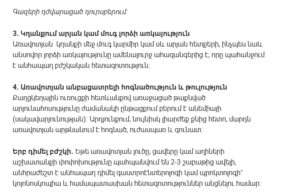
Colorectal cancer can develop without obvious symptoms in its early stages, which is why persistent changes in bowel habits or unexplained bleeding should not be ignored.
However, there is no established medical rule that colorectal cancer symptoms are specifically more noticeable in the morning. The following symptoms can occur at any time of day and are also commonly caused by conditions other than cancer.
1. Persistent Changes in Bowel Habits
New or unexplained diarrhea, constipation or a change in how frequently a person has bowel movements may warrant medical evaluation, particularly when the change persists.
Some people may also experience a feeling that the bowel has not completely emptied after a bowel movement.
These symptoms are common with many benign digestive conditions, so their presence does not by itself indicate cancer.
2. Persistent Abdominal Discomfort or Bloating
Recurring abdominal cramps, pain, bloating or a feeling of fullness can occur with colorectal cancer, although these symptoms have many other possible causes.
Symptoms that persist, progressively worsen or occur together with changes in bowel habits deserve greater attention.
3. Blood in the Stool
Rectal bleeding or blood in the stool should be medically evaluated, especially if it is unexplained or recurrent.
Blood may appear bright red or darker depending on where bleeding originates. Black, tar-like stool can indicate bleeding higher in the digestive tract and requires prompt medical assessment.
Hemorrhoids are a common cause of rectal bleeding, but bleeding should not automatically be attributed to them without appropriate evaluation.
4. Unexplained Fatigue and Weakness
Slow, chronic bleeding from the digestive tract can sometimes cause iron-deficiency anemia.
This may lead to persistent fatigue, weakness, pale skin, dizziness or shortness of breath. Unexplained anemia—particularly in adults—may require investigation to identify whether gastrointestinal blood loss is occurring.
When Should You See a Doctor?
Consult a healthcare professional if a new change in bowel habits persists for several weeks, or sooner if symptoms are significant.
Blood in the stool, unexplained weight loss, persistent abdominal pain or unexplained iron-deficiency anemia should not be ignored. Heavy bleeding, black tarry stools accompanied by weakness or dizziness, or severe abdominal pain may require urgent medical attention.
Depending on a person’s symptoms, age and risk factors, a doctor may recommend blood tests, stool testing, colonoscopy or other examinations.
These symptoms do not necessarily mean colorectal cancer is present. This information is for general educational purposes and does not replace medical diagnosis or professional advice.