Think about the most recent person you had a conversation with. What was the very first thought that crossed your mind when you considered them? Chances are, it was something about their facial expressions, like the way their eyes sparkled or their warm smile.
First impressions are often shaped by the interpretations we make based on the expressions etched on people’s faces. Within a mere hundred milliseconds of laying eyes on someone, we instinctively form rapid judgments influenced by their eyes, their grin, and the overall contours of their face. It happens faster than the blink of an eye.
For individuals whose faces cannot move in the customary manner, the ramifications can be profound, affecting both their social lives and professional careers. Moreover, those grappling with this condition often find themselves contending with fundamental bodily functions that most of us take for granted—simple acts like blinking, eating, speaking, or breathing comfortably.
Facial paralysis is a medical condition characterized by the loss of muscle function in the face. This condition can be a result of various factors, including Bell’s palsy, birth defects, surgical procedures to remove facial or brain tumors, traumatic injuries, or strokes that impact the facial nerves and, consequently, the facial muscles. Congenital disorders can also be a contributing factor.
If you notice a lack of facial movement in the initial three months following an incident, it is imperative to seek immediate medical attention. Although many individuals recover from facial paralysis naturally, some patients require basic follow-up care to achieve full recovery. However, if little to no progress is observed after six months, intervention is often necessary to restore function and prevent long-term damage.
Regrettably, many facial paralysis patients are told by medical professionals that there is no viable solution for their condition, or they may delay seeking consultation, hoping for spontaneous recovery. By seeking early medical attention, patients can access a wider range of options for facial reanimation, which significantly enhances the chances of a successful outcome.
At UT Southwestern, where I practice, we operate a clinic dedicated to patients with facial paralysis. We are among the few clinics in the United States that routinely perform advanced procedures to assist patients in restoring facial function. We take a multidisciplinary approach involving experts in plastic surgery, neuro-otology, neurosurgery, and corneal eye surgery to help patients regain their physical function and rebuild their self-assurance, enabling them to thrive both socially and professionally.
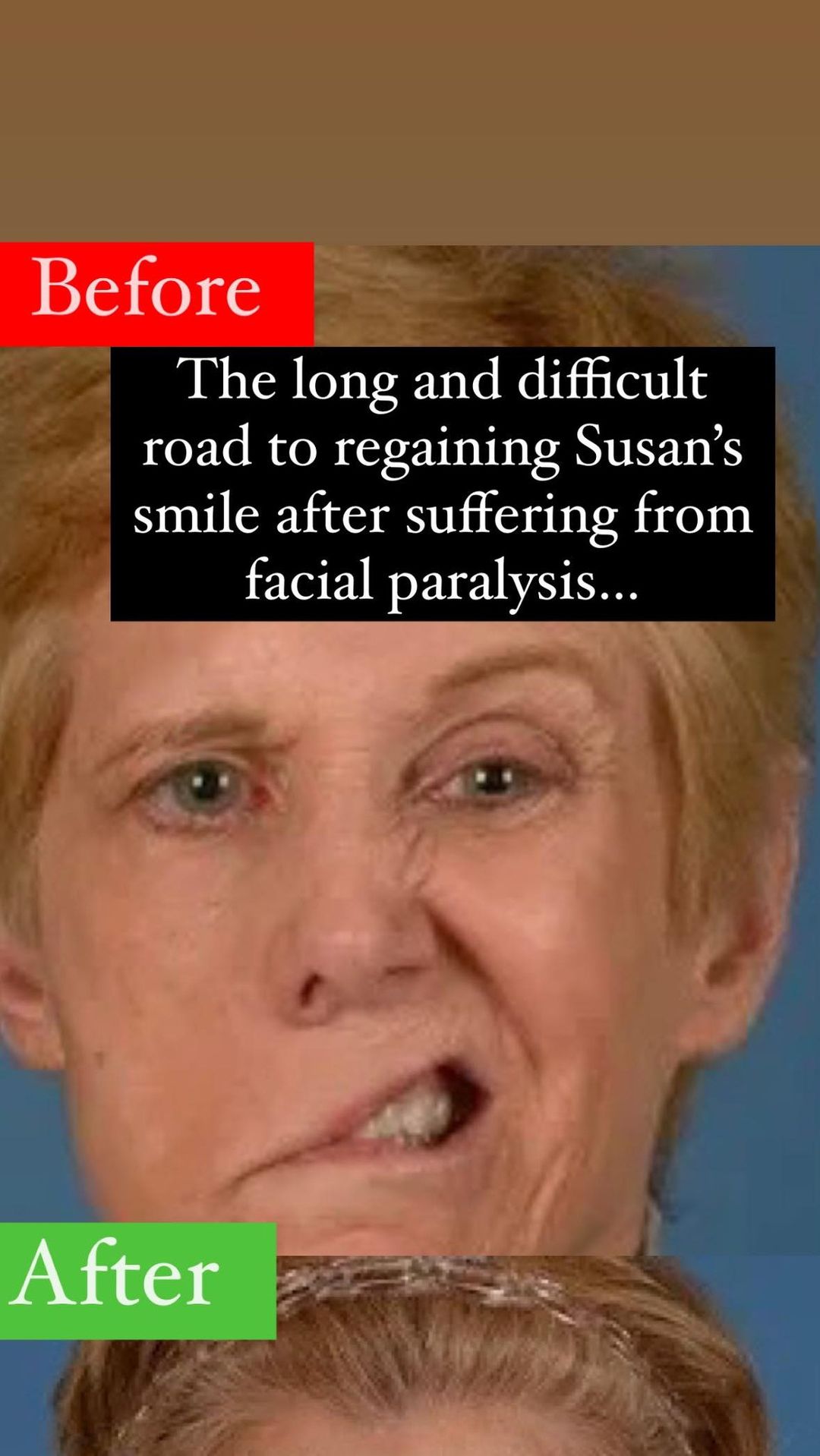
Over the years, I’ve had the privilege of witnessing and participating in the healing journeys of numerous individuals battling facial paralysis. Susan Martin is one such individual. She triumphed over head and neck cancer but was left with the inability to use the right side of her face. She’s an extraordinary person who has surmounted adversity through the power of hope, determination, and unwavering courage.
Susan’s path has been more challenging than that of most patients grappling with her condition. She stands as a role model for those around her and is always eager to reach out to other patients facing similar challenges, offering her support and guidance along their journey.