


Cheese in Your Daily Diet: What Nutrition Experts Say
Cheese has long been a regular part of many people’s diets, and for some, it is a common choice for breakfast or snacks. It is valued for its taste, convenience, and calcium content. However, nutrition experts note that cheese consumption should be approached with moderation and awareness.
In comments shared with the health news portal MedicForum, nutritionist Olga Malyarova explains that not all types of cheese affect the body in the same way, especially when consumed daily.
What Experts Point Out
According to nutrition specialists, many cheeses contain a relatively high amount of saturated fats. When consumed in large quantities, these fats may contribute to inflammatory processes in some individuals.
Experts note that frequent consumption of high-fat cheeses may:
Affect skin condition in sensitive individuals
Contribute to elevated cholesterol levels
Increase strain on the cardiovascular system when part of an unbalanced diet
In addition, cheeses with a high salt content may contribute to increased blood pressure in people who are sensitive to sodium.
Special Considerations for Certain Groups
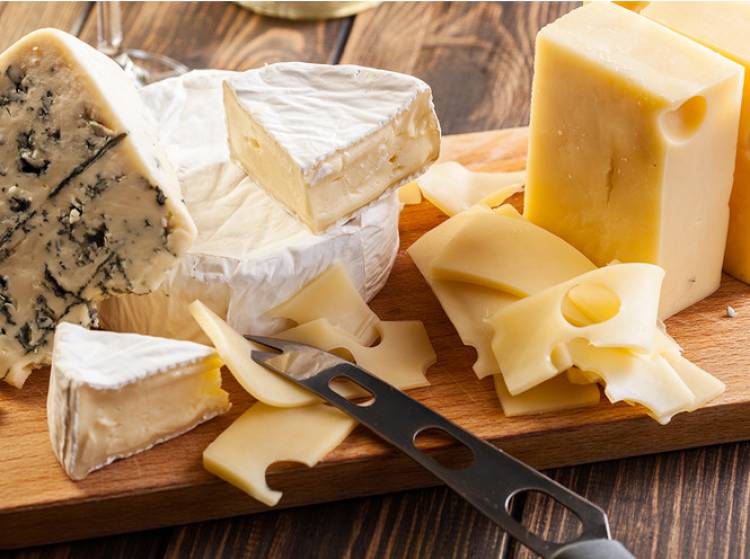
Health professionals recommend that pregnant women pay particular attention to the types of cheese they consume. Some soft or semi-soft cheeses, such as Camembert or Limburger, are often advised to be eaten only after consulting a healthcare professional, depending on individual circumstances.
The Benefits of Cheese
At the same time, experts emphasize that cheese can be a valuable source of calcium and protein, both of which are important for bone health and muscle function. The key factor is not eliminating cheese, but consuming it in appropriate amounts.
Recommended Portions
Nutritionists generally suggest limiting daily cheese intake to around 50–60 grams, which is roughly equivalent to two thin slices. This recommendation is especially relevant for high-fat cheeses such as Cheddar, Gouda, or cream-based varieties.
Lower-fat options, including mozzarella or feta, are often considered more suitable for regular consumption as part of a balanced diet.
Conclusion
Cheese can be part of a healthy eating pattern when consumed mindfully and in moderation. Individual responses to food vary, so maintaining a balanced diet and considering professional advice remains the best approach to long-term well-being.