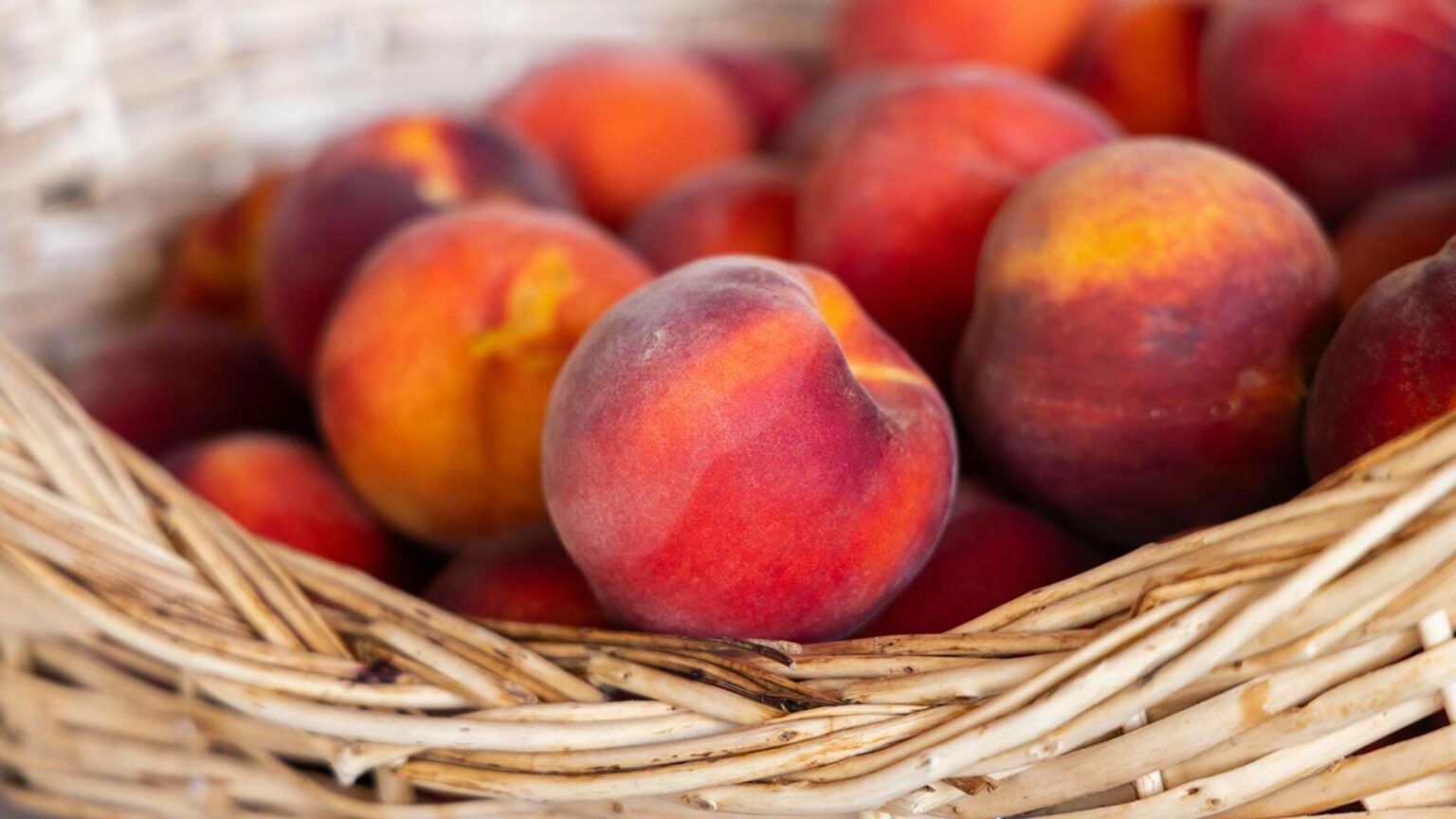

People with diabetes often wonder which fruits can be included in their diet without causing excessive increases in blood glucose. Despite their sweet taste, fresh peaches can generally be part of a balanced diet for people with diabetes when portions and total carbohydrate intake are considered.
Glycemic Index and Fiber
Fresh peaches have a relatively low glycemic index, although the exact value can vary depending on ripeness, variety and serving size.
They also contain dietary fiber, which can slow digestion and help moderate the rise in blood glucose after eating. However, peaches still contain natural carbohydrates and sugars, so portion size remains important.
Vitamins and Other Nutrients
Peaches provide vitamin C, potassium, carotenoids and various antioxidant plant compounds while being relatively low in calories.
These nutrients contribute to overall health, but peaches should not be considered a food that directly lowers blood sugar or prevents diabetes complications.
How Much Can You Eat?
There is no universal rule limiting everyone with diabetes to exactly one peach per day. An appropriate serving depends on the person’s blood glucose control, medications, overall diet and individual carbohydrate targets.
For many people, one small or medium fresh peach can fit comfortably into a meal or snack plan.
Fresh, Canned or Dried?
Fresh peaches are a good option. Canned peaches are not automatically prohibited, but products packed in heavy syrup or with large amounts of added sugar are less suitable.
When buying canned peaches, choosing varieties packed in water, their own juice or without added sugar can reduce unnecessary added sugars. Jams and sweetened preserves should generally be consumed in much smaller portions.
Eating the skin, after thoroughly washing the fruit, provides additional fiber.
There is also no general medical requirement to eat fruit only during the first half of the day. For most people with diabetes, total carbohydrate intake, portion size and the individual blood glucose response are more important than a specific time of day.
People who monitor their glucose can observe how their body responds to different portions and combinations of foods. Those using insulin or glucose-lowering medication may benefit from discussing carbohydrate intake with their doctor or registered dietitian.
This material is for informational purposes and does not replace individualized medical or nutritional advice.