
Vitamin D plays an important role in bone health, calcium absorption, muscle function and the immune system. When levels become too low, some people may experience symptoms, although vitamin D deficiency often causes no obvious signs at all.
Several commonly reported symptoms can occur after waking, but none of them can confirm vitamin D deficiency without appropriate testing.
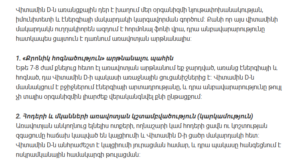
1. Persistent Fatigue
Feeling tired despite getting enough sleep can have many causes, and low vitamin D levels have been associated with fatigue in some people.
However, morning exhaustion is not specific to vitamin D deficiency. Poor sleep, anemia, thyroid disorders, stress, depression and numerous other conditions can produce similar symptoms.
2. Muscle Weakness and Bone Discomfort
Vitamin D is necessary for normal calcium and bone metabolism. Significant or prolonged deficiency can contribute to muscle weakness and bone pain, and severe deficiency may lead to osteomalacia in adults.
Morning stiffness or joint pain alone, however, does not necessarily indicate low vitamin D and may have many other explanations.
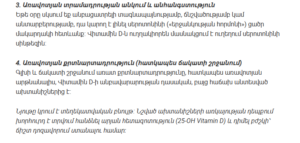
3. Low Mood
Research has found associations between low vitamin D levels and symptoms of depression in some populations, but the relationship is complex.
It is therefore inaccurate to assume that unexplained anxiety, sadness or lack of motivation in the morning is caused by vitamin D deficiency. Persistent changes in mood should be discussed with a healthcare professional.
4. Excessive Sweating
Sweating of the head has historically been mentioned as a possible sign of vitamin D deficiency, particularly in older discussions of deficiency in infants. In adults, however, forehead or morning sweating is not considered a reliable or specific diagnostic sign of low vitamin D.
Excessive sweating can have numerous causes, including environmental conditions, medications, hormonal changes and other medical conditions.
How Is Vitamin D Deficiency Confirmed?
Symptoms alone cannot reliably determine vitamin D status. When testing is medically appropriate, vitamin D levels are generally assessed with a blood test measuring 25-hydroxyvitamin D [25(OH)D].
Vitamin D supplements should not be taken in excessive doses without medical guidance, as very high intake can cause toxicity and lead to dangerously elevated calcium levels.
This material is for informational purposes only. If symptoms are persistent or concerning, consult a healthcare professional for appropriate evaluation and advice.