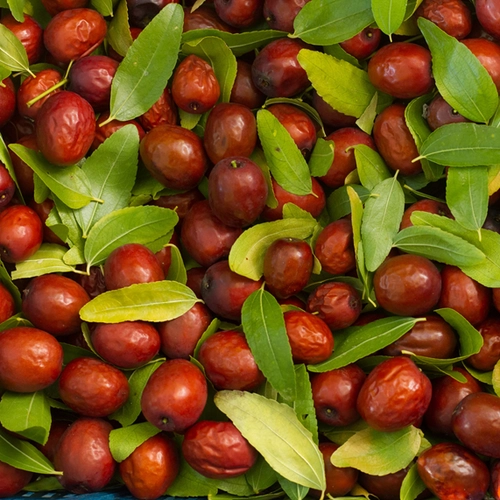

Jujube (Ziziphus jujuba), sometimes called Chinese date or red date, has been used as both a food and a traditional remedy in parts of Asia for centuries. The fruit provides vitamin C, fiber, potassium and various antioxidant plant compounds, although its nutritional profile varies between fresh and dried forms.
Research into jujube’s health effects is ongoing, and many traditional claims have not yet been confirmed by strong clinical evidence.
1. Blood Pressure and Cardiovascular Health
Jujube provides potassium and antioxidant compounds that can be part of a heart-healthy diet. Potassium plays an important role in normal blood pressure regulation.
However, jujube has not been proven to treat hypertension, and people with high blood pressure should not use it as a substitute for prescribed medication or medical care.
2. Sleep and Relaxation
Jujube has a long history of use in traditional medicine for relaxation and sleep-related problems. Some compounds found in the fruit and especially its seeds have been investigated for potential effects on the nervous system.
Evidence in humans remains limited, however, so jujube tea or fruit should not be considered a proven treatment for chronic insomnia or anxiety.
3. Iron and Blood Health
Jujube contains several micronutrients, and fresh fruit can provide vitamin C, which helps the body absorb iron from plant-based foods.
However, jujube alone should not be relied upon to treat anemia or raise hemoglobin levels. Anemia has different causes and requires appropriate diagnosis and treatment.
4. Digestive Health
Jujube contains dietary fiber, which can support normal bowel function and contribute to digestive health.
Its plant compounds are also being studied for potential effects on the gastrointestinal system, but claims that the fruit can treat inflammatory diseases of the stomach or intestines are not sufficiently established.
5. Vitamin C and Immune Function
Fresh jujube can be a particularly good source of vitamin C, an essential nutrient that contributes to normal immune function and protects cells from oxidative stress.
This does not mean that jujube acts as a powerful “immune booster” or prevents viral infections. It is best considered one nutritious component of a varied diet.
Fresh and dried jujube differ significantly in water, sugar and nutrient concentration, so portion size matters, particularly for people who need to monitor their carbohydrate or sugar intake.
This material is for informational purposes only and does not replace medical advice or treatment. People taking medications or managing chronic health conditions should consult a healthcare professional before using concentrated jujube products or supplements for therapeutic purposes.